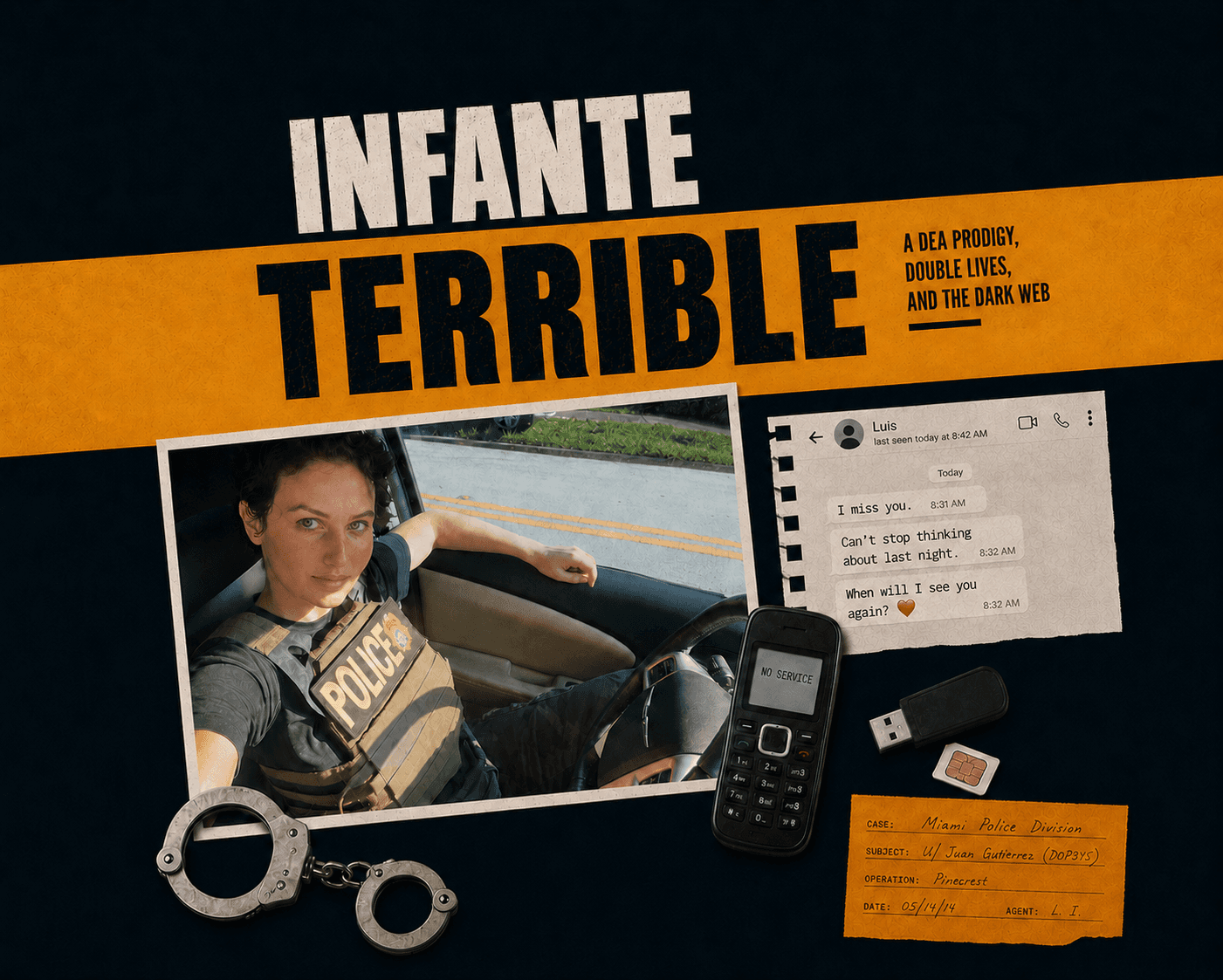
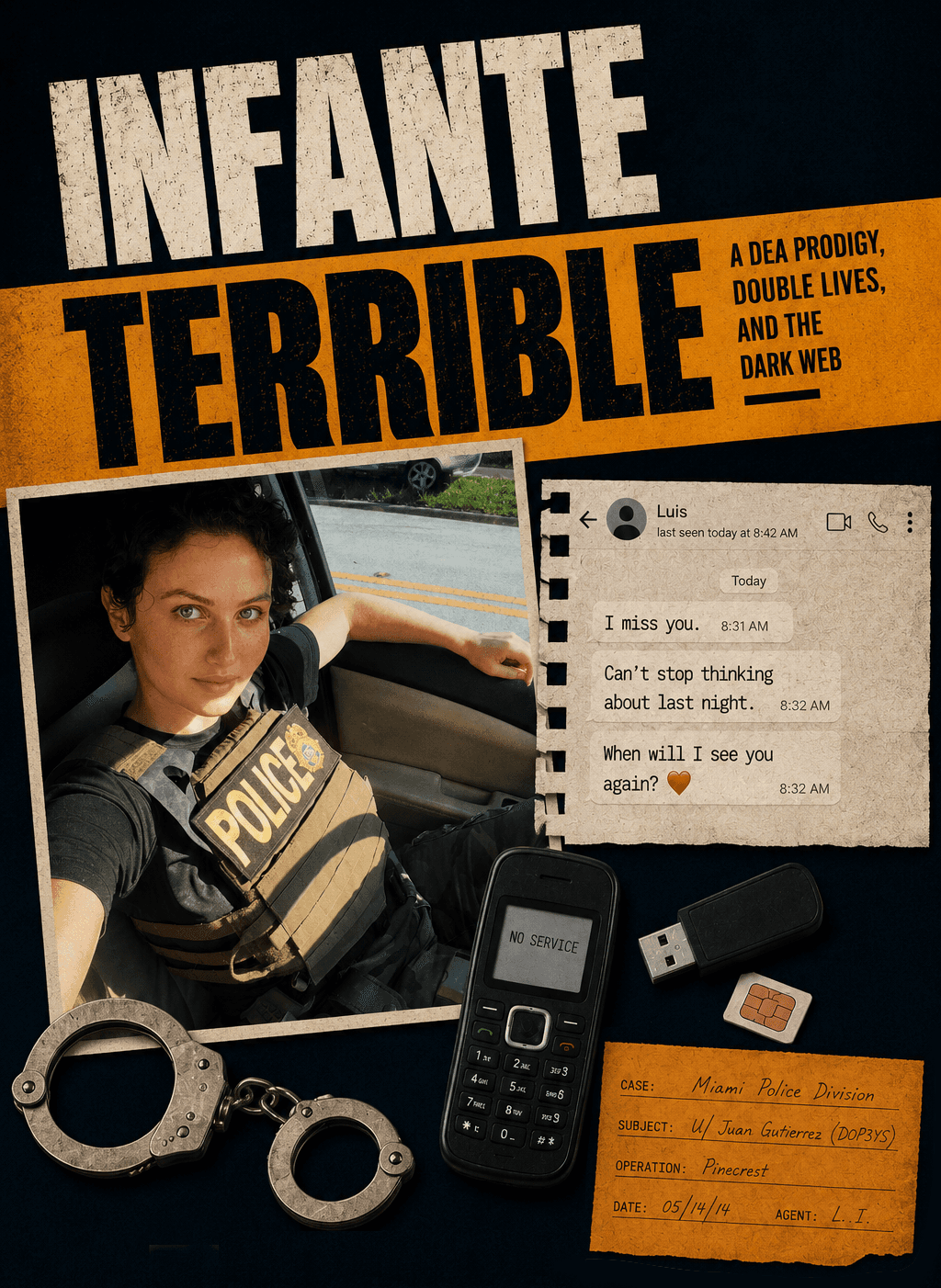

A silver Camaro coasts into a Starbucks parking lot in Pinecrest, Florida, taking the handicapped space. The license plate reads: DOP3YS. The driver, Dopey, AKA Juan Gutierrez, steps out onto the hot asphalt. He is not handicapped. He’s young, agile, and dangerous—a money mule for the most powerful criminal organization in the world, the Sinaloa cartel. While he’s ordering inside, a black Mercedes pulls in next to the Camaro and out steps Kenny—tall, handsome, and patient. He waits until Dopey emerges, Grande in hand. A silent greeting, as Dopey opens his trunk for Kenny, who reaches in for a white Gucci bag and then tosses it into his Mercedes. Easy as that, and three-hundred thousand dollars changes hands. Blink and you missed it.
But across the freeway, fifty yards away, a striking young Russian woman caught it all while idling in her blacked-out Dodge Charger. She looks like a chic young mother on her way to the office. And she is a mother, but she’s already at work. She’s Special Agent Lili Infante: a rookie DEA officer in the Miami unit, on her first field command.
The mission is a set up. Dopey is the target, and Kenny is an undercover agent, wired for sound. Pinecrest is one of the many outlying towns of Greater Miami, a faux-luxury suburb, full of terracotta McMansions and Chipotles. A shitty place trying to look fancy, Lili thinks, watching Dopey through binoculars.
After just a few minutes, Lili watches Kenny leave with the cash, as planned, and Dopey’s Camaro pull out.
Arrayed in position around the target are a dozen or so heavily armed federal agents, all under Lili’s command, along with an unmarked helicopter hovering overhead. Less than a year out of the Academy, this is her first major test: taking “the eye” on a stakeout. The eye tracks the target so the entire unit can follow at a distance, undetected. So far, everything is going to plan. Which is a relief, because Lili can’t afford to fuck this up.
Lili is desperate to prove herself. She’s the only woman in her unit, an Ivy League grad, and a Russian immigrant. In the most macho, all-American branch of US law enforcement, that’s three strikes against her, even in 2014. Everyone expects her to blow it. But Lili’s a lifelong overachiever. She volunteered to take the eye precisely because it’s a tough assignment nobody wants.

“Target is on the move,” Lili says into her radio. A dozen keys turn in their ignitions. Everyone hangs on her next directive, but Dopey is acting strange. He circles the Starbucks, twice.
“Stand by,” she says. Lili can see they need to proceed carefully. “He’s alert.”
Dopey finally pulls onto the highway, and Lili lets two cars pass before slipping hidden into the line of commuters.
“Target heading south on US-1,” she says. “Red light. Currently stopped at…”
Lili is new to Florida. She doesn’t know the area like her colleagues do. She checks her Maps app for the cross street, “... 132nd Street.”
Suddenly, Dopey veers and pulls a U-turn. “Heat run!” Lili calls into the radio. Either he’s spotted her, or he knows how to check for a tail. She can’t follow without drawing attention. She radios the chopper. “Airwing, take the eye. Target heading north. I’ll catch up.”
A helicopter can only take the eye for so long before giving itself away. Lili hits the gas, scanning for a place to turn around. The block feels endless. Fucking suburbs. Driving with her knees, she swipes ahead furiously on her Maps app, which lags behind. The phone she’s using isn’t her own. That morning, she couldn’t find hers, and so she took her husband Luis’ old Android. He’s also a DEA agent. This can’t be happening, Lili thinks. She’d planned to overcome the prejudice against her, and female agents in general. Now, on her first command, she loses the target because of a phone snafu? Tapping the screen, she accidentally opens WhatsApp, obscuring her navigation. “What the fuck!” Lili shouts, but then she notices something: a message from a very young, very beautiful woman: “I miss you.”
At first, Lili’s confused. Then she opens the chat, and sees a whole history of carnal correspondence between this woman and Luis. Her heart drops. She pulls over.
The radio crackles with comms about the target. But Lili is frozen. The DEA has assembled a massive unit to shut down a high-powered narco money launderer, and Lili is on the side of the road, reading flirty texts from her husband’s mistress. The chopper will have to pull back soon. The team could lose the target. But all Lili can think about is betrayal. The messages are endless. It’s not the first time. The image she’s had of herself and Luis, the eager greenhorn agent and hotshot husband, is coming apart in real time. What about their daughter?
She remembers the mission. The target they’re tailing is surely armed. A key rule of leadership is full faculties. One false move and someone could get killed. She’s clearly lost tactical command. Just as they all expected, she thinks. Failing when it counts.
Lili knows this could hurt her career. What she doesn’t know, in this moment, is just how far her career will eventually take her; that this gut punch will catalyze her rise to the top of her unit, and then to the top of the Miami DEA, emerging as an unlikely pioneer in cyber-crime. That she will seize millions of dollars in illicit cryptocurrency, arrest some of the world’s most treacherous criminals, and write the playbook still used in digital money laundering investigations. Her colleagues will know her as a principled, dogged, ruthless, sometimes frustrating but always inventive woman waging a highly personal crusade. Her targets will know her as the “Crypto Queen of the DEA,” and, when she takes down the largest and most sophisticated dark web marketplace in history, they will place a four-million-dollar bounty on her head.
But right now, she’s just heartbroken.
“Infante!” she hears over the radio. “Where are you?”
Lili Infante became a DEA agent by accident.
It was spring, 2006, Lili’s freshman year at Columbia University. She was a serious and studious economics major who cut a notable figure on campus, a tall Russian emigre who smiled rarely and socialized less. While her peers made friends, explored New York, partied, and lounged on the lamplit lawns, she spent her evenings in the library. Having grown up in the chaos of post-Soviet Moscow, in an unstable household, Lili sought structure, discipline, and excellence. American students were soft, she thought, and lazy. Even the enterprising ones were easily distracted. She planned to outwork her peers and land a coveted internship on Wall Street her first summer.
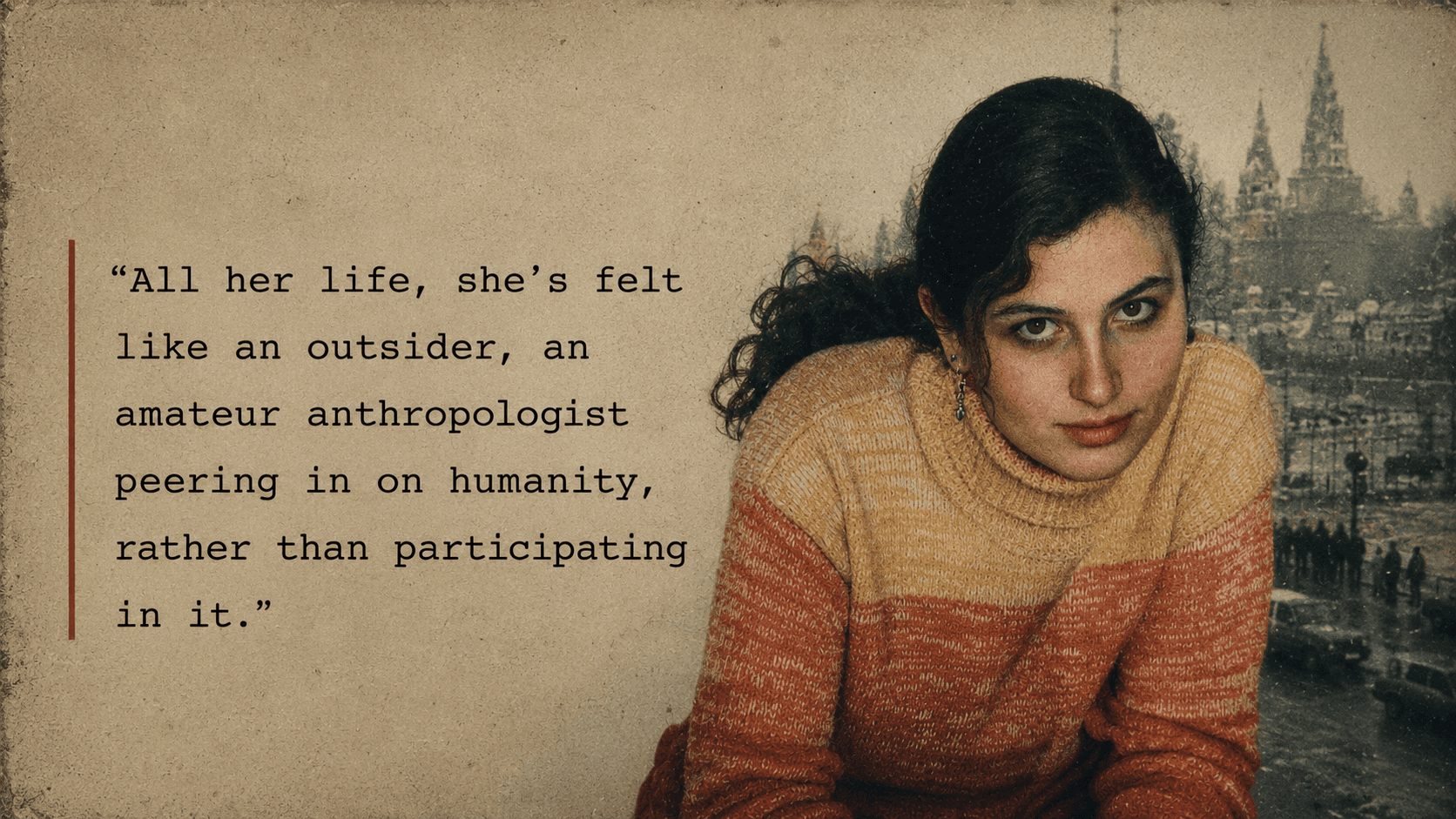
Among the few diversions Lili permitted herself were her weekly Skype calls with her grandmother Nina back in Russia. Lili had a complicated relationship with her mom, a single, divorced drinker who raised her in chaos, but Nina was her closest confidante, the only person who had never disappointed her. Lili would stay up late to tell Nina about life in America, her inability to integrate into collegiate life, and her ballroom dance club, which was her other recreational indulgence. Lili didn’t like “fun,” per se, but she liked dancing for the same reason she liked school—it’s orderly, choreographed, predictable. Critically, it’s also nonverbal. Conversation doesn’t come easily to Lili. All her life, she’s felt like an outsider, an amateur anthropologist peering in on humanity, rather than participating in it. A room full of twisting and twirling but silent strangers is one of the few places Lili feels ordinary.
As the spring semester drew to a close, Lili set her eye on summer internships. She’d applied to a financial analyst position at Citi Wealth Management. As a fallback, she’d applied to another position, described only as “Russian language analyst,” which she’d stumbled across on a career board. One evening, she received offers from both jobs, minutes apart. She could report to duty at Citi Wealth the following Monday, fulfilling a longtime goal. Or she could accept the analyst position, which mysteriously listed no employer, only an address: 99 10th Avenue. Lili investigated and discovered this was the Manhattan headquarters of the Drug Enforcement Administration. She was intrigued. As a child in Moscow, Lili had been obsessed with American police procedurals. She was drawn to their clean message of good versus evil and the inevitability of justice, which was the exact opposite of the lawless kleptocracy she knew. Her childhood neighborhood was ruled by gangs. The police worked only for bribes. Here, the police came when you called. She admired them. But should she begin her career on Wall Street, or realize her childhood dream of fighting crime?
A month later, Lili showed up at DEA headquarters, a Beaux Arts box in Chelsea surrounded by blue-chip art galleries. A receptionist guided her through a warren of fluorescent tube-lit hallways and deposited her in a windowless room — a humming nest of tangled wires leading to desktops and landlines. On the wall Lili saw a huge bulletin board, classically arranged with mugshots, question marks, thumb tacks, and byzantine constellations of yarn. An agent straight out of central casting—bald, no-nonsense, sturdy—introduced himself and showed her around. Lili couldn’t believe it. The entire operation was like a living cliche of American crimefighting—Law & Order made into reality. She loved it.
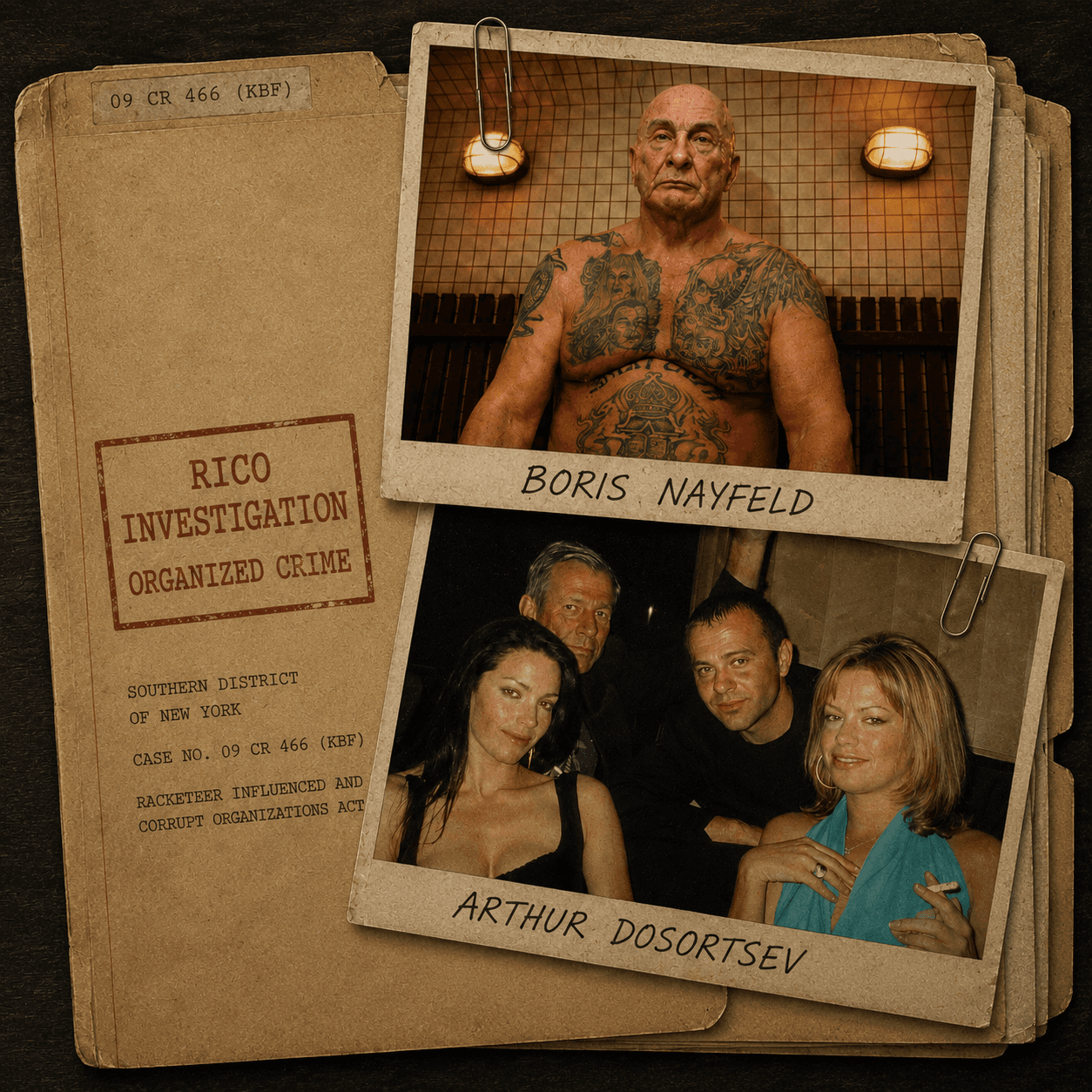
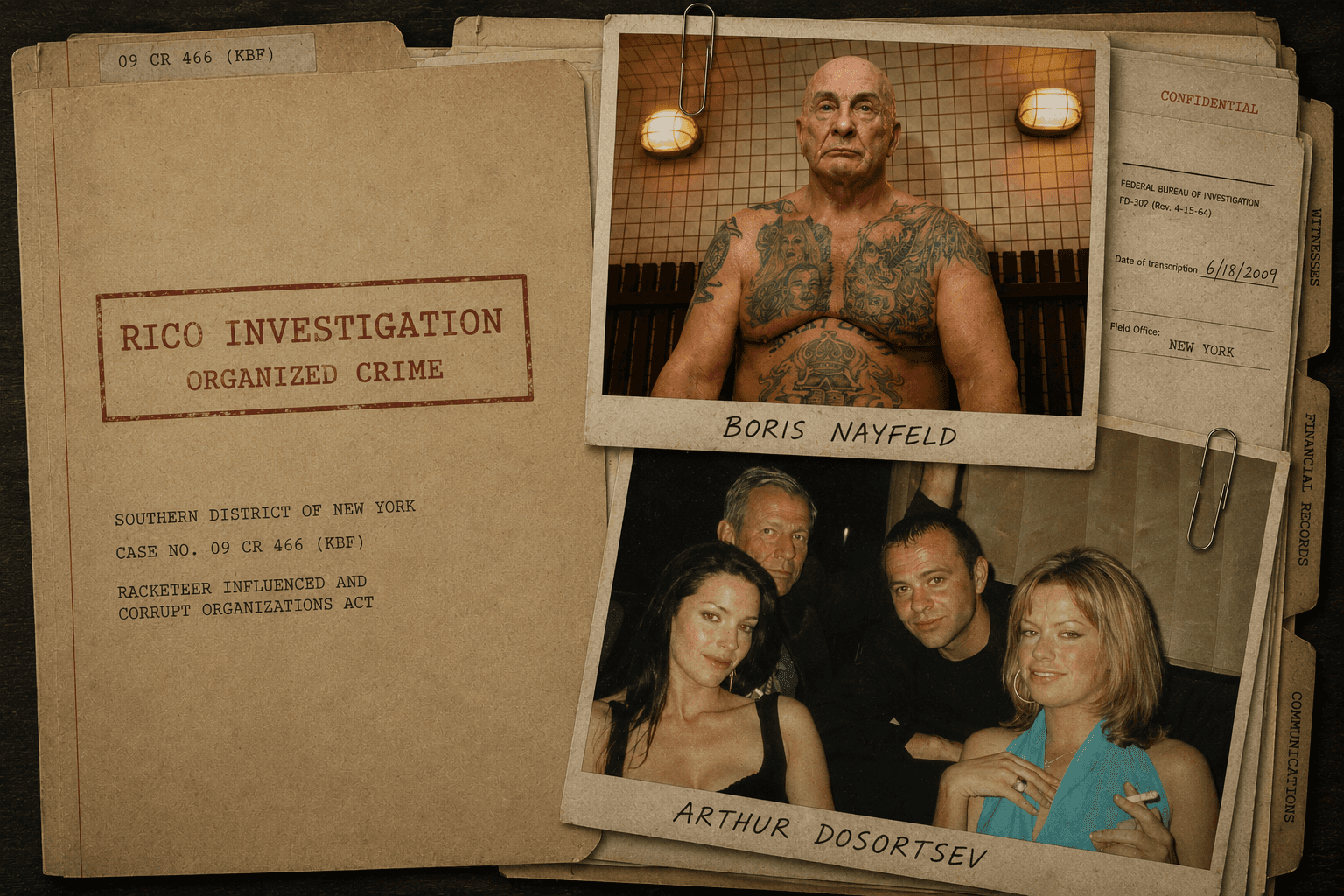
The agent told her what she’d be working on, a RICO investigation into Russian gangsters based in Brighton Beach. She would operate a wiretap and translate in real time the conversations of drug runners, money mules, foot soldiers, and hitmen.
“Think you can handle that?” the agent asked.
Lili was stunned. “Yes,” she said, after collecting herself. “Hell yes.”
“Good,” he said. He handed her a set of headphones. “Welcome to the DEA.”

That summer, Lili learned that she was built for the life of an investigator.
The moment she tuned into the wire and heard unfamiliar voices, she was hooked. Lili has always loved the puzzle-solving aspect of surveillance. Growing up, she often eavesdropped on her mother’s phone calls, trying to decipher the mechanics of adults and their relationships. The wire provided a new outlet for that voyeuristic impulse. Spying felt right. She pulled triple shifts and loved every minute.
The gang Lili was investigating was led by a man named Boris Nayfeld. He was one of the most ruthless kingpins in New York City history, having seized control of the Bratva—the Russian mob—via a string of assassinations. His gang had hooks in every racket imaginable: drugs, diamond smuggling, human trafficking, Medicaid fraud, murder for hire. Lili’s primary targets were two Ukrainian brothers, Nikolai and Arthur Dozortsev, who specialized in importing ecstasy tabs by the million from Southeast Asia and laundering the profits through off-shore real estate investments. They owned a hilltop villa in the French Riviera, a Riva Vertigo yacht, and an Aston Martin Vanquish coupe. They were high profile fixers—and very scary men—who turned out to have very ordinary conversations with family, friends, girlfriends, dentists. Lili was fascinated by the killers’ quotidian chatter. She wondered: was everyone capable of evil? Lili is a dogmatically ethical person. Dishonesty, betrayal, and violence confound her. And here were stone cold killers, leading otherwise normal lives.
As Lili translated, agents worked in the field, acting on the intel she gathered—raiding stash houses, making arrests. Others supervised her surveillance. One of those was a brash, handsome thirty-three year old lead case agent named Luis Infante.
For a seasoned federal agent, Luis was boyish and flirty. For a nineteen year old student, Lili was oddly stern. At first, Lili tried to ignore Luis and focus on her work, but she had no choice but to spend many late hours with him, alone in the cluttered, dingy office. Surveillance is like war: mostly boring. Between crucial moments, there’s a lot of time spent lounging, spinning around in cheap swivel chairs. Eventually, Luis and Lili got to talking. Luis was half Puerto Rican, half Cuban, born in Queens; he’d become a special agent after nine years with the NYPD and the state troopers. His was not such a strange path. But how did an Ivy League freshman, Luis wondered, end up in a basement operating a wiretap?
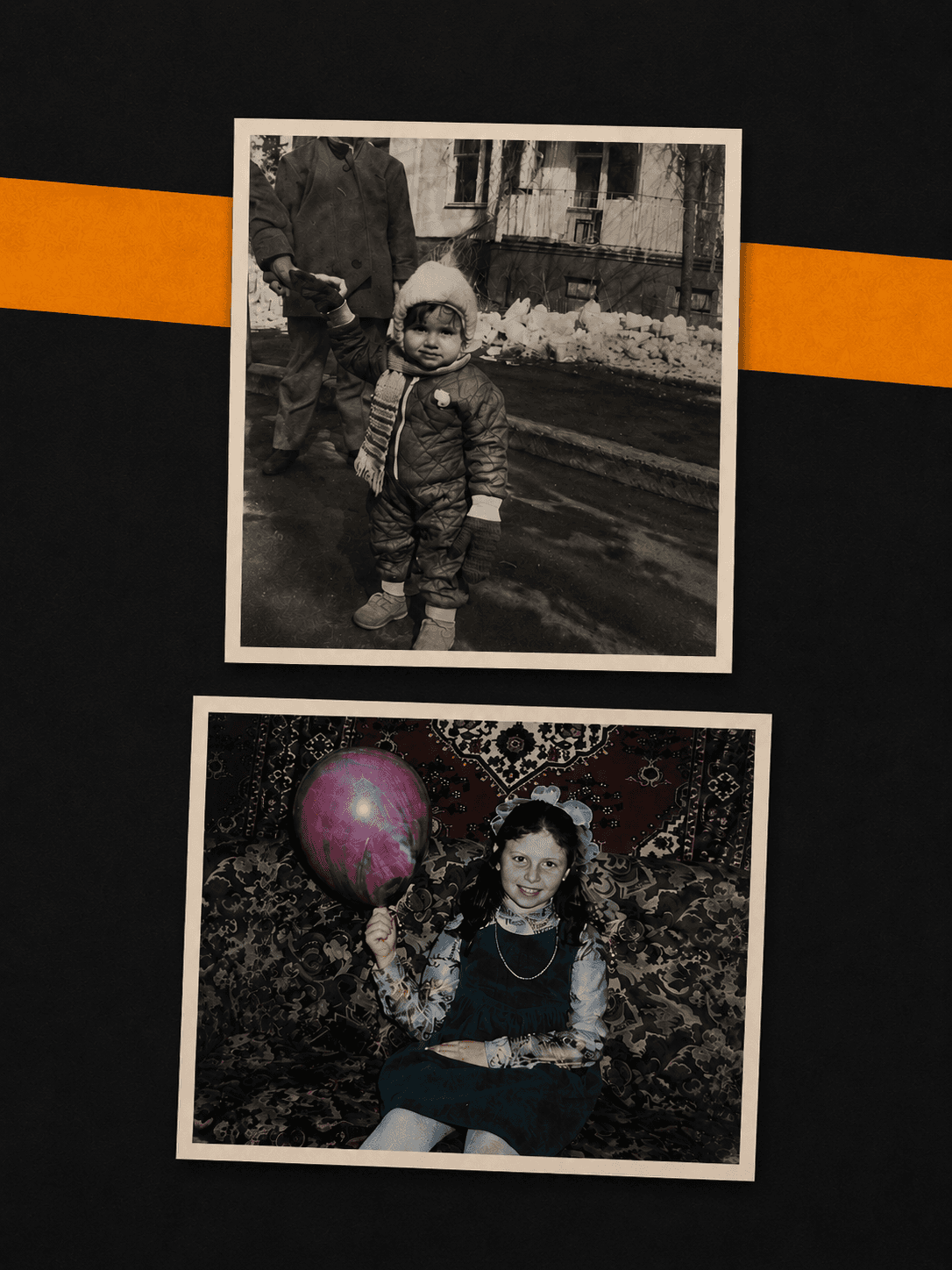
Lili started at the beginning. She was born Lilita Shabazian in 1987, in Moscow. Her mother, Katya, was an aspiring actress who’d gotten pregnant at nineteen. Unwilling to give up her own youth, she spent her nights partying. Alone at home many nights, an eight-year-old Lili made her own dinner and sat in front of the TV, sipping her mother’s booze and watching reruns like Walker, Texas Ranger. Katya maintained their meager household by selling clothes in the local market. At times, Katya had to travel to replenish her inventory, leaving Lili to stay in the countryside with her grandmother, Nina, a strict and independent woman. Nina grew her own food and sewed her own elaborate dresses. She had high hopes for Lili, and would sit with her granddaughter and read the classics: War and Peace, Crime and Punishment, and Lili’s favorite, The Three Musketeers, with its themes of loyalty and courage in the face of corruption. Nina was the sole bright spot in a bleak childhood, much of which Lili spent wandering the streets of Moscow with other aimless children. “For us,” Lili told Luis, “there were no piano lessons.”
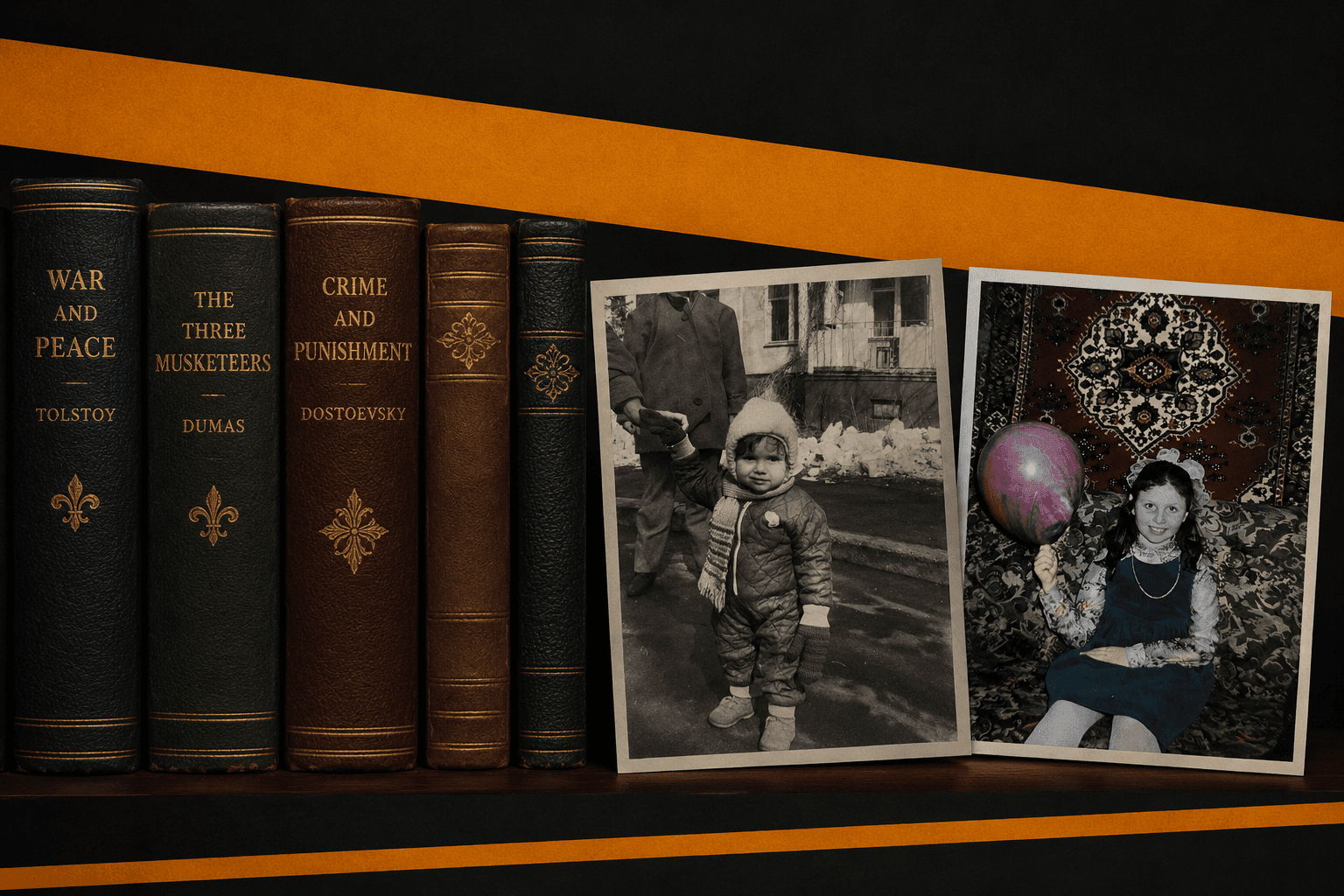
Luis also grew up poor, but his latchkey childhood in Queens was not quite Lili’s post-apocalyptic story of survival. He was intrigued by Lili’s aggressive candor. He was growing fond of her. She seemed wise beyond her years. At times, Lili was almost callous, but Luis sensed a lurking sensitivity. And: he thought she was beautiful.
One night, Lili told him a story about how, when she was a child, a local gang threatened her mother. Katya had sold goods without paying for protection, they said. They demanded fifty thousand dollars, otherwise they would abduct Lili on her way to school and send her back in the mail, piece by piece. Lili recalled seeing her mother in tears on the phone with the gang, begging for mercy. No one came for Lili, but not long thereafter, her mother’s business partner, a family friend, was kidnapped by gangsters, beaten, and left for dead in the forest. Katya blamed herself. She started drinking heavily to dull the regret. That was when Katya started disappearing, eventually for days at a time—and when Lili's obsession with American cops and robbers took on new meaning. On Law & Order, the law wins. For Lili, justice became a fantasy.
Now, in America, at the DEA, Lili could live that dream. By midsummer, she was anxious for a breakthrough in the case. She wanted Nayfeld and his goons—Russian gangsters just like the men who tormented her mother—behind bars. Luis explained that RICO investigations could take years. Law enforcement is often about patience, he said. Lili had a hard time with patience. They listened for hours, waiting for Nayfeld’s henchmen to make evidentiary mistakes, but what they heard was mobsters picking up bulchko at Baku bakery and hookers at Skovorodka.
The long hours spent listening meant more late night chats. Luis asked how Lili came to the States. She thought she was doomed to live and die in Russia, she said, but one day, when she was eleven, the phone rang. “Hello, Lili,” a man said. “This is your father.”
It was the first time Lili could remember crying. Her father had disappeared when she was an infant. She had never known his voice. Now, here it was. Her mother always said he was in America, but Lili assumed she’d live her life without meeting him. A few days later, he was at the door, a burly man with dark brows, fitted into an expensive suit. He didn’t explain why he’d left, or now returned. In the US, he had become successful. Something about selling tires. Later Lili would come to realize his business was “connected,” but as a poor girl in Russia, she was amazed as he introduced her to a world of ease and excess. Lili had grown up with a single pair of pants and no winter coat, and now her father waltzed into Moscow’s elite boutiques and gave her free run of the store. He took her to Moscow’s finest restaurants. Then he said he was bringing her to America. Lili didn’t want to abandon her family, but her mother and grandmother urged otherwise. She should leave, they said, and have a life. The other children in their neighborhood had already turned to crime. Some kids she knew were drug dealers and prostitutes. In Moscow, they said, there was nothing for her.
America was as different from post-Soviet Moscow as Lili imagined, but she was still mostly on her own. Her father remained wildly generous at times, but he could also turn manic or sadistic. He’d shower her with gifts, but also beat her for any perceived imperfection. He sent Lili to Loomis Chaffee, an elite private school in Connecticut. It took Lili only a few months to become fluent in English. Still, among the establishment WASPs of New England boarding school, she made few friends. “I didn’t know how to act,” Lili told Luis. “I was like a hood rat.” And so she studied and studied, outpaced her peers, skipped a grade, and found herself at Columbia at 17. Then, oddly enough, in the DEA headquarters.
Before Luis, Lili had shared her story with very few people. She didn’t think anyone would understand. But something about him made her feel comfortable. In many ways they were opposites—he was outgoing, she was shy; he was macho, she was brainy—but there was a kindred spirit. They were both poor city kids looking for structure.
Luis was charming, funny, and incredibly handsome. He had a wide smile, dark hair and bright green eyes. But he was married, so Lili kept her feelings hidden. Toward the end of the summer, Luis came clean: he was falling for her too. He begged Lili to be with him. She demurred. She admitted her own attraction, but an affair went against her ethics. His marriage was already through, he said. She remained resolute.
Now it was awkward. They were still up late together in the wiretap room. Alone, side by side, listening to the mobsters chat—or worse, have phone sex with their girlfriends—Lili and Luis batted romantic repartee at each other. He loved her, he said. Mid-life crisis, she said. I’m only 33, he said. I’m not yet 20, she said. Lili stood her ground.
Come Autumn, Lili returned to school and passed on the wiretap to a new analyst. Luis and his wife entered couples therapy. As the leaves turned and Lili settled into her sophomore classes, she moved on. That year, the dream of becoming an agent started to fade, like a regrettable fling. She’d go back to finance. In another two years, she’d be on Wall Street full-time in a blazer and heels, as originally planned.
And then, one morning, her phone buzzed.
“I left her. It’s over. I need to see you.”
Katya stepped off of the plane into the heavy San Salvadorian air wearing her usual attire: a fur coat, silk pantsuit, and five inch stilettos. Thickly made up and stumbling beneath a dark blanket of blown out hair, she waved to Lili, who wondered whether she had made a terrible mistake by inviting her mother to live with her. It was 2012. Just two years after graduating Columbia, Lili was already a mother herself, and wondering which kind she wanted to be.
After Luis left his wife, he and Lili dated through college and fell madly in love. After class, she met him downtown in pubs and dives, where Luis talked about the day’s dangers: chasing a dealer down a Bronx alleyway; wrestling a gun from a man’s hand in a high-rise hallway. Then they went back to his place. With each date, Luis brought Lili deeper into his world, and her world of exams and problem sets seemed increasingly frivolous. By the time she graduated, in 2009, the idea of Wall Street was long gone and she was set on becoming a federal agent.
But it was the Great Recession, and the DEA wasn’t accepting applications. So Lili and Luis married and had a daughter, Lia, and all three of them moved to El Salvador, where Luis accepted a prestigious but dangerous post investigating MS 13. Lili loved being a mother, but quickly understood that she did not want to be only a mother. At night, Luis recounted his adventures tailing cartel foot soldiers through San Salvador, and Lili wanted to get her hands dirty—and not just from changing diapers.


Lili roamed their palatial house (courtesy of the US embassy) cradling Lia. During naptime, she called her grandmother, whose days in Russia were similar—repetitive and thankless. Nina was now looking after Lili’s young cousin, Dennis, whose mother was also often absent. Once, when Lili was lamenting the challenges of motherhood, Nina offered a startling idea: Why not bring Katya to live with them and help raise Lia? Lili was reluctant. Chaos followed Katya everywhere, and she didn’t want to expose her young daughter to that. Katya was still drinking, but Nina said that she just needed something to live for. Otherwise, it was only a matter of time before she overdosed in her apartment, or passed out in a snowbank.
Nina had never steered Lili wrong. Lili booked her mother a flight.
Katya made a strange addition to their home. She couldn’t drive and spoke almost no English. Her Russian was stilted and aristocratic, an affectation she had picked up while nannying for a Russian oligarch in Dubai after Lili left for America. Katya is something of a post-Soviet Blanche DuBois, an aging beauty obsessed with status and regret, always complaining or boasting about her greatest achievement: almost being cast, at 17, as the lead in the Soviet director Alexander Mitta’s 1988 medieval fantasy adventure film, Story of Voyages. But Nina’s prediction came true. Once Katya was surrounded by family, she quit drinking and threw herself into caring for her granddaughter. She was a doting and careful (if theatrical) babushka, seemingly intent on making up for the ways she neglected her own daughter. For Lili, it was healing to watch.
With the extra time, Lili became restless. On a whim, she applied to Harvard Business School, which she reasoned was the most prestigious way to fill her time until she could apply at the DEA. Of course, she got in. So Lili started flying back and forth to Cambridge weekly—a five hour flight during which she crammed case studies. At home, she finished problem sets while rocking Lia to sleep. A year later, she graduated Harvard with honors, and the moment the DEA resumed hiring, in 2013, she applied.


“Are you a bitch, or a slut?”
At the DEA Academy in Quantico, Virginia, Lili considered the question, which she assumed was rhetorical. But it wasn’t, as she discovered when her instructor, an older, bulging, terrifying woman, repeated it, much louder.
“Neither?”
“WRONG!” the instructor said. “As a woman, to survive in this agency, you’ll have to become either a bitch or a slut. Take your pick.”
Lili had a suspicion which track her instructor chose.
Lili was the only woman in her class. Her peers were very large men accustomed to violence: former police looking to up the stakes, and Afghanistan vets in search of a new thrill. Lili dominated them in the classroom, answering questions first or correcting their errors. In athletic training, she was ferocious, pouncing on her training partners in boxing, wrestling, and jiu-jitsu, even though she was half their size. She wanted to dispel any suspicions about female timidity. She succeeded. No one at Quantico had ever met anyone—man or woman—quite like her. “Instead of a bitch or a slut, I chose a third option,” Lili says. “I was annoying.”


After eighteen weeks of training, Lili graduated at the top of her class. During the ceremony, Luis presented her with her badge. Katya sat in the audience, beaming, holding baby Lia. Still only twenty-four, Lili was a mother and a daughter and a wife and a federal agent—loved, and in love, and looking forward to opening a simply unprecedented can of whoop-ass on the criminals of the world. As a star cadet, Lili got first pick for where she wanted to be stationed. To nobody’s surprise, she chose the toughest assignment: Miami.
Miami was as advertised. A place of beautiful beachgoers and pastel dreams, vibrant and energetic, a Shangri La of excess — and also a vast urban badlands shot through with crime and corruption. Ever since the cocaine explosion of the 1980s, Miami had been America’s central drug depot. Geography made it inevitable. The city leans into the Atlantic, pointing toward the Caribbean—the source of endless contraband, smuggled in by imaginative cartels. Powerboats rocketed across Biscayne Bay, their hulls stuffed with powder. Cessnas drifted in low over the skyline, dodging radar to land on airstrips hidden in the Everglades. Cartel divers attached magnetic parcels to cruise ship hulls. Homemade narcosubs slipped unseen beneath the surface. And in Little Havana, the saints themselves were drafted into service—Virgin Mary statues lined up in shop windows, each one hiding a kilo inside.
For the Miami DEA office, this meant constant action and late nights on dangerous cases—exactly what Lili was looking for. Compared to the dingy, windowless New York office, the Miami DEA was a gleaming palace of spotless glass and marble. Agents drove fast cars and hit the extensive first floor gym before their shift, setting personal records on the bench or running combinations on punching bags before heading upstairs. This was the turf of the “Cocaine Cowboys,” the office that had brought down Noriega, rooted out a Hezbollah drug trafficking network, and once intercepted the sale of a $35 million Soviet submarine to cartel leaders in Medellin. Lili wanted in.
Instead, she was given trash detail. On her first day on the job, Lili stood alone in a remote warehouse, tossing ziplocks full of drugs into an incinerator, marking the destroyed evidence on a clipboard. At the DEA, rookies have to pay dues, and women have to pay with interest. After Lili had proven herself a capable garbage woman, she was “promoted” to the DEA’s most dreaded post: the Duty Box, a closet-sized glass cube where her two jobs were to answer the anonymous tip line and buzz visitors into the boss’ office. Lili had a badge and a gun, but functionally, she was a secretary.
Once again, Lili was the sole woman in her unit. The DEA culture was dated—the veterans who dominated the agency were called Jurassic Narcs—and her office had a hard-partying style, and after work, agents drank late at places like Mac’s Club Deuce and Monty’s Raw Bar. But Lili didn’t drink. Having watched her mother’s undoing, Lili likes to say she “got sober at 12 years old,” when she left Russia. So instead of tossing back a few with her new colleagues, she stayed late at the office, filling out busy-work reports with dizzying thoroughness. On weekends there were backyard barbecues, but Lili was never invited. Instead she went to Yuca, a Cuban restaurant in South Beach where she danced salsa. Yuca had serious dancers, the kind who don’t party, or make small talk, or do anything to compromise their focus and coordination. Lili fit right in. She’d drive home drenched in sweat in the tropical breeze, in momentary bliss.
The assholes back at work, meanwhile, started calling her “Sochi,” after the Russian city that was hosting the upcoming winter Olympics. On a team-building trip to the National Spy Museum, they pointed at placards of alleged Russian agents the Rosenbergs and Alger Hiss and said: “Friends of yours, Sochi?”
“Don’t take it personally,” Luis said. “It’s just hazing.” He wanted to support Lili, but he was stationed in a different office, across town. Luis knew Lili would be a great agent, but he also knew that her social graces, or lack thereof, might be holding her back. She tended to ruffle feathers. She was bad at reading the social cues of an institutional culture. Lili always admired how easily Luis navigated social situations, how he could charm anyone. “I know it’s silly,” he said, “but maybe try smiling? Make small talk. Act impressed. Flattery helps.” Lili wasn’t interested in flattery, but she knew Luis was right. “You’re gonna have to make some friends,” he said.
If there was one friend to make in Lili’s office, it was Jose Irizarry. His office was just across the hall from the Duty Box. He was a rising star of the Miami DEA, the lead agent of Group 4, an international money laundering unit, a lynchpin division because the entire narco economy is built around clandestine finance. The members of Group 4 were like the DEA’s SEALs, running deep cover operations, posing as mules, or cultivating informants to infiltrate outfits in Cartagena, Madrid, Amsterdam, and throughout the Caribbean. Theirs was a game of trust; making friends with criminals meant partying alongside them. For years, to name just one example, Jose and his team had been working a cartel financier named Diego Marin. The “Contraband King” was an expert in the Black Market Peso Exchange, laundering dope money with nested shell companies offshore, misvalued imported goods, and other astonishingly inventive ways of moving money. For Jose’s team, the ideal case was an elaborate sting using what’s called Attorney General Exempt Operations, which gave DEA agents authority to act as actual money launderers for cartels in order to understand the narcotraffickers’ financial pathways, and make arrests. Group 4 was creative, restless, and reckless. From the Duty Box, Lili gazed with envy across the hall as they planned their missions.
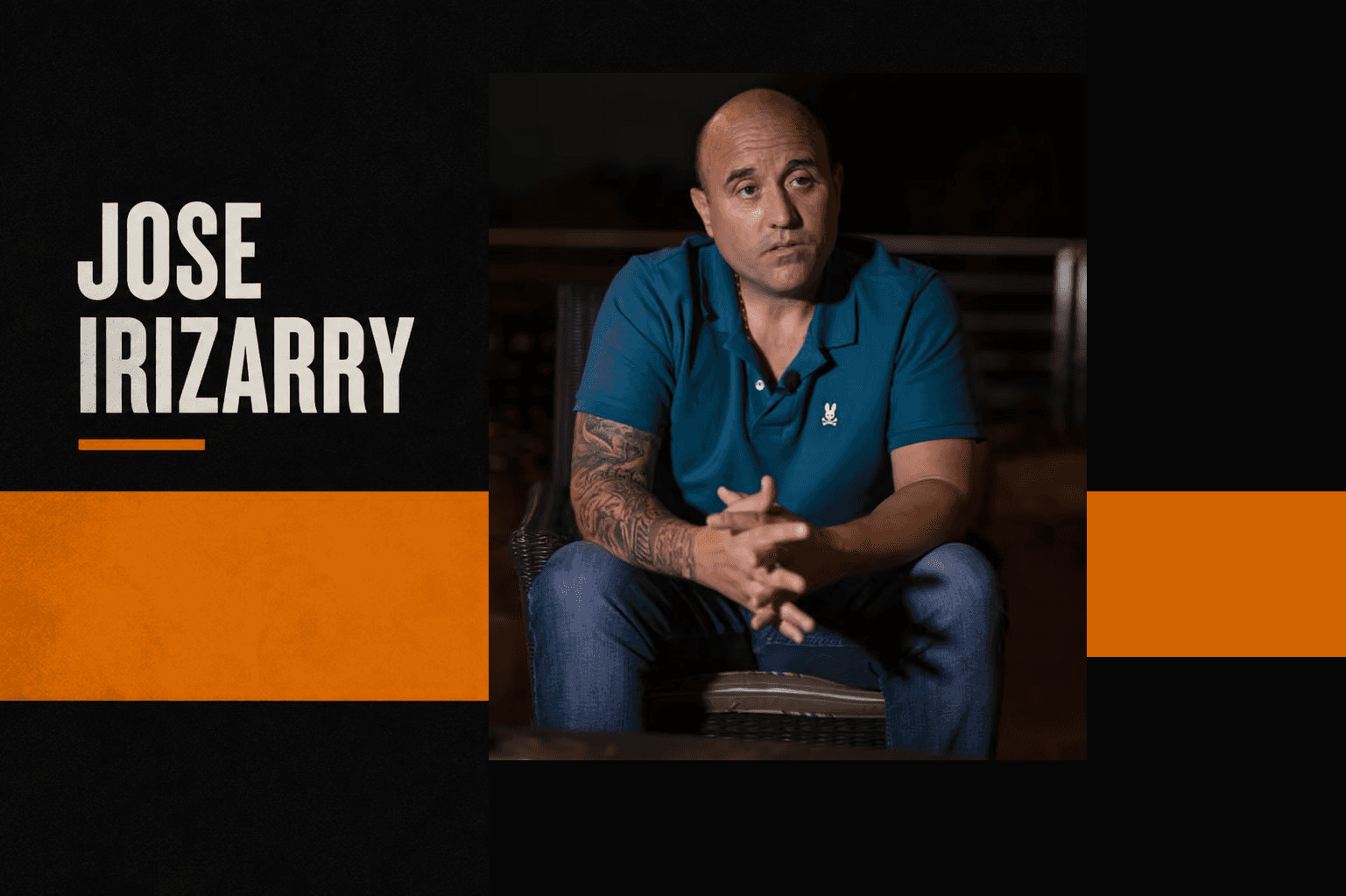
Soon she made a habit of sneaking over to buttonhole Jose about his division. He was hard to pin down, always pacing, pushing his team to the limit, but Lili was determined and peppered him with questions about mirror trading and tax havens, hawaladars and mules. She told him how badly she wanted out of the Duty Box. “Be patient,” he said. “You’ll catch your break.”
Lili didn’t really believe him, until a hotline tip turned promising. A woman called in to drop a dime on her unfaithful husband, who, she claimed, would be sailing a boat loaded with cocaine from the Bahamas to Palm Beach that Sunday. Lili lit up. She pressed her team until a few agents agreed to work over the weekend, and they boarded a Coast Guard boat. En route, Lili got seasick and spent the morning leaning over the gunwales, but then the Bahamian boat appeared on the horizon, as promised. They sped alongside, leapt aboard, and cuffed the smugglers. A Duty Box miracle.
Like Jose counseled, patience paid off. Lili’s bosses noticed, and she graduated to field detail. Now, her gun and badge wouldn’t just sit on her desk.
Olga Rostova was flying across the causeway at 70 mph, a few feet above Biscayne Bay, windows down, hair flying around in the tropical evening. Glittering above the water ahead was South Beach. With her wrist draped over the wheel, Olga checked the time on her Longines. Olga was headed to the Fontainebleau Hotel, where a table was waiting. She was meeting two men. Businessmen, you could say. Since that’s what they looked like. But they were crime bosses. The kind who were high enough up the chain they would fit right in at a Dade County Chamber of Commerce meeting. The kind who don't get their hands dirty. Olga arced into the semi-circle drive, stepped out in her heels and miniskirt—Gucci and Louis Vuitton head to toe—and handed the keys to the valet. She made her way to the patio, where palms were silhouetted against the gradient sherbet of the sunset. There they were: Emil and Ival. They ordered and got down to business. Olga was a money laundering wunderkind, here to advise them. Except Olga was not a money launderer. Olga was Lili. The Longines was a spy watch, wired for sound.
It had only been six months since Lili was let out of the Duty Box, but she’d distinguished herself quickly, and was now deep into the most dangerous case work available: undercover operations. What made her unusual at the DEA—being a young, pretty, Russian emigre—was ideal for cover. She started on the streets, flirting with dealers, guys in wifebeaters who were only too happy to talk to Lili, who smiled and played dumb and gathered key intel. She got schedules, territories, product, and hierarchy. Each gang had its own territory—the Venezuelans in Doral, the Cubans in Hialeah, the Russians in Sunny Isles—and as she moved up the chain, she developed an alter ego, Olga: a cunning, mysterious, seductive money mule. Olga’s main goal was to penetrate the Bratva, Miami’s Russian mob.
At first, Lili worried about her acting abilities. She’d never been able to pretend at anything. She couldn’t hide her emotions. On undercover missions in the streets, honesty could get you killed. Particularly with the Bratva, because as Lili puts it, “when it comes to rats, the Russians don’t play around.” But Lili discovered that if she was lying in the service of truth, it was actually effortless. So she stepped through this emotional loophole to become an incredible actor. Lili, it turned out, was the Miami DEA’s Meryl Streep.
As Olga, she dined at Joe’s Stone Crab and the Forge alongside some of Miami’s scariest, most powerful men. She always arrived a little late, so that targets and layout could be confirmed by physical surveillance agents posing as diners. Her provocative but elegant dress came courtesy of the DEA’s drug seizure money. Lili dressed plainly in real life, but Olga felt powerful strutting down Collins Ave, turning heads.
Undercover bios should be just different enough to minimize the need for fabrication. So Olga was born in Moscow and moved to New York when she was twelve. There, she got involved with the Russian mob out in Brighton Beach. Just like Lili’s old friend Boris Nayfeld, Olga knew how to wash even the dirtiest money by filtering it through a variety of real businesses and shell companies. She’d present her services, and then, with the cash in her care, the DEA would arrest or flip the unwitting target.
At the Fontainebleau, Lili was doing “business development”: luring in prospective clients for a later bust. They talked shop, made plans, and toasted to the future. Olga drove home, up Collins Ave., with the glassy intracoastal on the left, full of meandering pleasure craft, and on the right, a line of deco palaces that eventually gave way to the dunes of the Atlantic. The most beautiful drive in the world, as far as Lili was concerned, one she took often, heading home after undercover nights to join Luis and look in on sleeping Lia. At days’ end, their “how’d your day go?” chatter was about targets, networks, informants.

As Olga, Lili was thrust into the byzantine realm of cartel cat and mouse, where the DEA cultivated an array of “CI”s, or Confidential Informants. These were mostly unsavory characters, either pressured with prison time, or, worse in Lili’s mind, attracted to the power and the financial rewards. In the criminal underworld, the key currencies were cocaine, cash, and information, and the market for the latter was extremely grey. Informants were either paid for their efforts, or given a cut of DEA hauls, or were sociopaths allowed to trade testimony for a light sentence.
They were often colorful figures, like Baruch Vega, a high end fashion photographer who shot Kate Moss for Vogue and Giselle for Sports Illustrated when he wasn’t ensnaring cartel leaders for the DEA. He’d netted himself tens of millions until he got greedy and started playing both sides, shaking down the cartel for protection against being turned in. By the time he was finally nabbed by the FBI, the cartel had put a massive bounty on his head.
One of Lili’s primary sources was a chubby, charismatic Columbian shady businessman, codenamed Igor. Jose, Lili’s mentor, had cultivated Igor over many years and entrusted him to Lili after she showed her prowess in the field. Igor owned a used car dealership and a series of electronics stores. Since mobsters are always looking for dummy cars and burner phones, his stores attracted prime targets for the DEA. Lili, Jose, and Igor always met in public, sometimes at swank spots, sometimes at Dunkin Donuts. Jose and Igor acted like old pals, laughing and reminiscing about past stings. For every arrest Igor helped arrange, he took a 20 percent cut of the DEA’s seized proceeds. By the time Lili met Igor, in 2014, he’d racked up millions.
Igor was useful. He introduced Olga to his clientele, and had his ear to the rail in the underworld. But Lili was growing uneasy. As always, her moral compass pointed her against the grain. It didn’t sit right with her that a venal huckster could get rich by working both ends of the drug war. “This is just how it goes,” Jose would explain to her. The people who have information on criminals are, by definition, mixed up with criminals. But Lili liked her ethical lines tidy—black and white, never gray—and it felt strange to be handing Igor envelopes full of cash. Igor is a small fish, Jose said. And you need small fish to catch the big ones.
Lili followed Jose’s lead. He was the pro, after all. Luis advised similar. When Lili would catch her grandmother over Skype, Nina was only proud. “You are succeeding in America,” she said. “What else is there?”
Around the office, Lili was finally getting some respect. She set her sights on joining Group 4, Jose’s elite squad. Their beat was international. The big show. To get there, she had to prove herself in domestic money laundering. And she needed to show tactical capability on a bust. This was how she found herself chasing a mule named Dopey through the streets of Pinecrest, with a chopper overhead. How she ended up pulled over on the A1A, looking at her husband’s phone, and realizing that not only was Dopey getting away, but Luis, the man of her dreams, was cheating on her.
Lili sat at home, in shock. She’d radioed HQ and pulled out of the Dopey mission, surprising everyone. “Family emergency,” she’d said. The irony, she thought, stepping over Lia’s toys on the living room floor. The house was empty. Her mother was visiting Moscow, and Lia was at school. She waited in silence for Luis to come home. Out of curiosity, she typed a flirty message to the mistress on his phone and got an immediate response in kind. Her heart shattered anew.
It wasn’t the first time. Luis had strayed at least once before, a month after they were married, in 2012, they visited Russia for their honeymoon, so Luis could meet her mother and Nina. The morning they planned to leave, Lili discovered texts from another woman. Luis begged for forgiveness. “I’m going to the airport,” Lili said. “Don’t follow me.” Luis did follow. All the way to Russia. He stayed with Lili’s aunt while Lili stayed with her mother. Each morning, he knocked on her door and gave her a bouquet of flowers, which Lili launched from her balcony in rage. After a week, Lili’s teenage cousin, Dennis, started waiting below to catch them and give the bouquet to his girlfriend. It was a strange sight for Katya and Nina, seeing Luis, crying inconsolably. Russian men don’t cry, and they would never apologize for being unfaithful. “All men are liars, Lili,” Nina told her. “But at least this one seems to have a conscience.” She advised Lili to take Luis back. After all, she was pregnant. “Just don’t depend on him,” Nina said.
But this time, Lili couldn’t forgive Luis. When he walked in with Lia, laughing, she called him into the bedroom and dropped the phone at his feet. On cue, he fell to his knees.
“You don’t have to lie anymore, Luis,” she said. “I did the reconnaissance.”
After booting Luis from the house and putting Lia to bed, Lili called Nina. Her grandmother was comforting but blunt, as always. “You are a survivor, Lili. You can survive on your own, like I have.”
Lili filed for divorce. Luis got his own place, and they split custody of Lia. Lili didn’t want Lia to grow up without a father the way she had. To shut out her grief, Lili threw herself further into work. She still wanted to make a name in money laundering, but the Dopey mission had been a fiasco. You’re only as good as your last bust, as they say in the DEA. She felt like she needed to prove herself. One night, alone in her newly empty bed, her mind raced. She remembered an episode of The Good Wife she’d seen, where the plot revolved around a new anonymous and decentralized cryptocurrency, called Bitcoin. A clever technology, she thought, and likely also a perfect tool for cartels. Rather than smuggle duffle bags full of cash across the border, they could make the same transfer online.
The next morning, Lili scoured the DEA case management system for investigations involving crypto. If she had the idea that criminals could use Bitcoin to launder money, surely they had too. But she found only one case: the Silk Road, the world’s first dark web marketplace, where users traded Bitcoin for drugs, guns, and counterfeit documents. Federal agents had shut the site down and arrested its founder, Ross Ulbricht, a year earlier. But that was it.
Surely, Lili thought, the Silk Road was just the beginning. She asked around the office. Most had never heard of the Silk Road investigation. Others were uninterested. But Lili was certain this was the future of crime. Alone at night, she started plumbing the depths of the dark web and discovered that dozens of sites had filled the Silk Road vacuum. There was an entire illicit economy operating right under the nose of the DEA, a new narcotrafficking paradigm fueled by a revolutionary transactional system. In a way, this was the ultimate money laundering case. With cryptocurrency, the money didn’t even need to be laundered.
“I need some money to buy drugs.”
Lili had marched into her supervisor’s office unannounced, as usual. He was older, a career agent who was just waiting for a promotion to the DC office, the well-paid federal pasture for lifers. With one foot out the door, he tried his best to avoid Lili, with all her energy and ideas. Now, she wanted some cash from Evidence for Bitcoin. Sitting behind his desk, surrounded by his awards and challenge coins, her supervisor asked, “Who’s Bitcoin?”
“The future of crime,” Lili replied.
Her supervisor sighed. Here comes a lecture. Lili had been up all night, ruminating on the endless criminal possibilities of cryptocurrency, and she rattled off an impassioned crash course on the history of dark web marketplaces.
The dark web, she explained, relied upon two innovations: Bitcoin, with its anonymous transactions, and an encryption software called Tor, which routed web traffic through an enormous number of servers worldwide, hiding a cyber criminal’s IP address among a sea of decoys. The combination of Bitcoin and Tor supposedly rendered dark web drug transactions completely untraceable, and so dealers were migrating online in droves. Why stand exposed on a street corner and risk your life defending territory when you could sit in your home, wait for customers to send you Bitcoin, and then mail them your product? The DEA was living in a glamorized version of the past in which they thought every target carried an M16 equipped with a grenade launcher and every agent was John McClane. They were trying to win the drug war with bullets. But the data told a different story. The previous year, US police had made 1.5 million arrests for narcotics related crimes, but the drug epidemic was getting worse. The cocaine crisis had been replaced by the even more destructive opioid crisis. And synthetic opioids, which could be manufactured in any living room, were hitting the streets. Now, with digital marketplaces, they were available like mail-order retail. The drug war was changing, and they had to get ahead of it. And Lili, of course, was the woman for the job.
Her supervisor, nonplussed, allotted some money in deference to Lili’s wild rant, if only to get rid of her. It would be a proof of concept, Lili said. If the drugs show up in the mail, we know the problem is real. He filled out a form and released $200.
Lili went on a marketplace called Blue Sky and purchased cocaine from a vendor named “HonestCocaine.” Ironic handle, she thought. The guy took pride in his craft apparently. When other agents caught wind of what Lili was up to, they gave her a hard time. “Stick to your case work, Sochi,” they said. “Don’t get distracted by internet funny money.”
But a week later, a package arrived at a DEA P.O. box. The white powder went to the lab, and HonestCocaine lived up to his name: the delivery was real, and high quality. Lili tossed the lab report on the boss’ desk. There are dozens of sites, she said, and thousands of dealers. Nearly ninety percent of bitcoin transactions, she’d discovered, were for criminal purposes. “We have work to do,” she said.
To take down dark web marketplaces, Lili needed to know how they worked. She started attending local cryptocurrency meetups in Miami: oddball gatherings of techies, gambling addicts, and libertarians who met at Applebee’s. Her presence as, yet again, the only young woman caused a stir at first—the crypto demographic at the time was decidedly male and nerdy—but they were impressed by her focus and interest. While the crypto acolytes waxed poetic about freedom from fiat currencies and the beauty of the blockchain, the anonymous digital ledger that powered Bitcoin, Lili was enticed by the opposite implication. The fact that every Bitcoin transaction was indelibly recorded meant that it was perhaps not anonymous, and that once she figured out how to trace it, following the money would be easier than ever.
Dark web investigations paired well with single motherhood. No longer able to stay late at the office, Lili was home by six every night, in mom mode, playing with Lia and talking about her day at school. After putting her to bed, Lili cracked open her laptop and clocked back in, working late, sometimes chatting with her grandmother as she scrolled through listings of drugs, guns, and stolen passports. Often they talked about Katya. With Luis gone, Lili was leaning harder on her mother, and Katya could never handle being needed. Sometimes Lili thought she smelled wine on her breath.
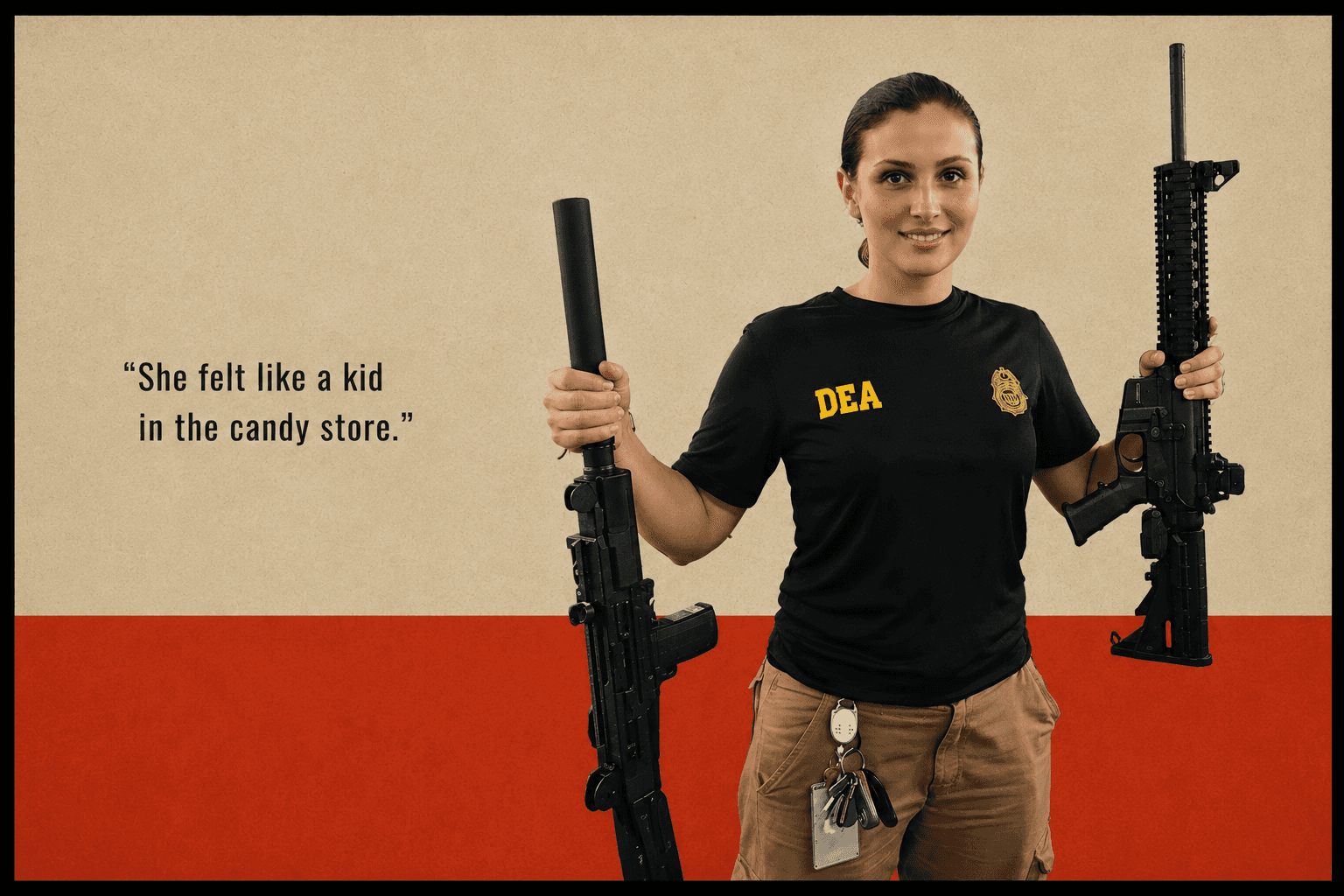
After a few weeks, Lili was ready to select a target. She felt like “a kid in a candy store” deciding who to go after first. One vendor, username Owlcity, stood out for his potent inventory: Alpha-PVP, a.k.a. bath salts, and fentanyl.
The DEA had no playbook for how to pursue a dark web case. She began by purchasing some product from Owlcity, 2.5 grams of Alpha-PVP. The package came a week later and clearly incriminated the dealer, but the question was, who was Owlcity? A dark web case, Lili realized, is the exact reverse of a typical narcotics investigation. Here, the crime is visible for all to see—the drug arrives at your doorstep—but you can’t prove who sent it.
Lili examined the package. Owlcity had been careful. Fake name and return address. A generic stamp, untraceable. Dusted the cardboard for fingerprints, but the exterior had been handled many times, by couriers and warehouse workers. Changing tack, Lili attempted to penetrate Tor and pin down Owlcity’s IP address. She taught herself to code via YouTube and Github. Like English, she picked up coding languages quickly. But every effort was a dead end. Her target remained a disembodied string of characters, a ghost.
Finally, in late February, 2016, Lili had a flash of inspiration. She made another order with Owlcity and then sent a private message politely complaining that it never arrived. The dark web focus on customer service—OwlCity had a 98% positive rating—was a unique opportunity. She asked OwlCity to track the package, hoping that when he went to USPS.com, he wouldn’t think to switch on Tor. Which he didn’t. He had no idea that the DEA could access the Post Office web traffic tracking logs, which led Lili to an apartment only a few miles away, in the seaside suburb of Miramar, and a name: Chrissano Leslie.
A week later, Lili surveilled Leslie, a young Jamaican man, walking beneath the palms to his local post office, where he dropped off a cardboard box full of fentanyl. A week after that, Leslie awoke to the sound of his front door splintering off its hinges. Shooting out of bed, he grabbed his stash, ran half naked to the bathroom and shook a cascade of pills and powders into the toilet. Close behind was Lili’s Clan Lab team—a special unit trained to handle lethal substances, like Fentanyl: ten guys armed and in hazmat suits. “Freeze!” He flushed the toilet. But the pills clogged the drain. He was trying to flush again as agents tackled him. Lili was pleased. Leslie’s apartment was brimming with home-pressed pills, and underneath his bed they found a stash of weapons: handguns, and an Uzi. A serious dealer, just sitting in the suburbs, with no visibility to police or DEA. Just as Lili figured. As the agents got cuffs on Leslie, the toilet overflowed, pushing a cloudy fountain of fentanyl-laced water across the tile.
The Owlcity arrest made the papers, and Lili earned some stripes. She moved full time to cyber crime, and her supervisor even suggested she lead a team. But she had a tough time recruiting in her own office; even worse than a know-it-all rookie was a know-it-all rookie with a promotion. The Jurassic Narcs didn’t want to be her subordinate, and they looked down on her new cyber squad anyhow. So she widened her approach, visiting each major law enforcement agency in Miami—FBI, IRS, Postal Inspection, and Homeland Security—where she pitched a PowerPoint-enhanced vision of a unified assault on the new class of techno kingpins. Her renegade enthusiasm was contagious, and at each agency she convinced a few agents to join the cause, which gave her access to their diverse toolsets: the FBI’s swat team, the IRS’s banking records, the Postal Service’s logs, and Homeland Security’s license to operate overseas. Almost unintentionally, Lili had formed the first interagency cyber crime task force. She was twenty eight.
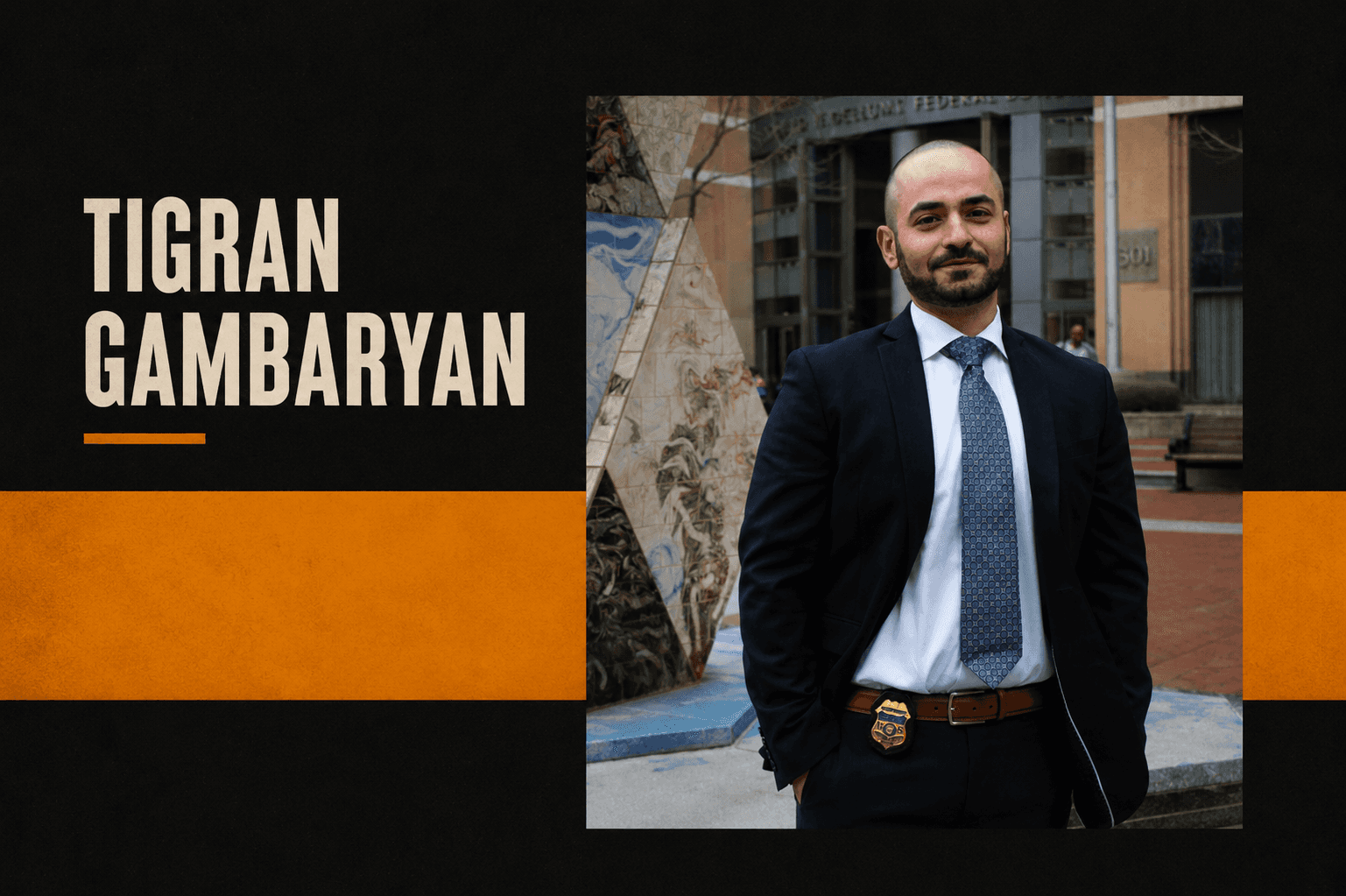
Later that year, Lili’s was at a crypto conference when she met Tigran Gambaryan, already a legend in cybercrime, for developing the capability to decipher the blockchain. Tigran had been an accountant before picking up a badge and gun to join the IRS’ elite Criminal Investigations Unit, the law enforcement arm of the federal tax authority, where agents used specialized techniques to bring down criminals in the field.
Lili watched Tigran present his investigation into the corrupt DEA agent Carl Force, who had skimmed more than a million dollars in Bitcoin while investigating the Silk Road. Force was tempted by his belief that Bitcoin was untraceable, but Tigran linked the theft back to him with ingenious innovations in blockchain analytics. It was the first time blockchain evidence was introduced in court. Nearly awestruck, Lili took notes, and then introduced herself afterwards.
They had a lot to talk about. Tigran stood 5’2,” wore thick-rimmed glasses and a tight shirt around conspicuous biceps; like Lili, he was a nerd with an adrenaline dependency. She was also surprised to learn that Tigran too grew up poor in Moscow, in her very same neighborhood. This was why he also hated corrupt cops. They talked late into the night. Sharing their plans, he told her about his investigation of the mysterious collapse, and theft, of Mt. Gox, the world’s largest Bitcoin exchange. He was also going after a crypto-fueled child porn marketplace, Welcome To Video. (He would eventually arrest hundreds of users and save 23 children.) Lili felt vindicated; Tigran’s blockchain tracing allowed him to follow the money in cybercrime, just as Lili suspected. He’d pulled back the curtain on crypto’s myth of anonymity. Now it was open season. Lili revealed her newly minted Counternarcotics Cyber Task Force’s target: to shut down the largest dark web marketplace in the US, known as Dream.
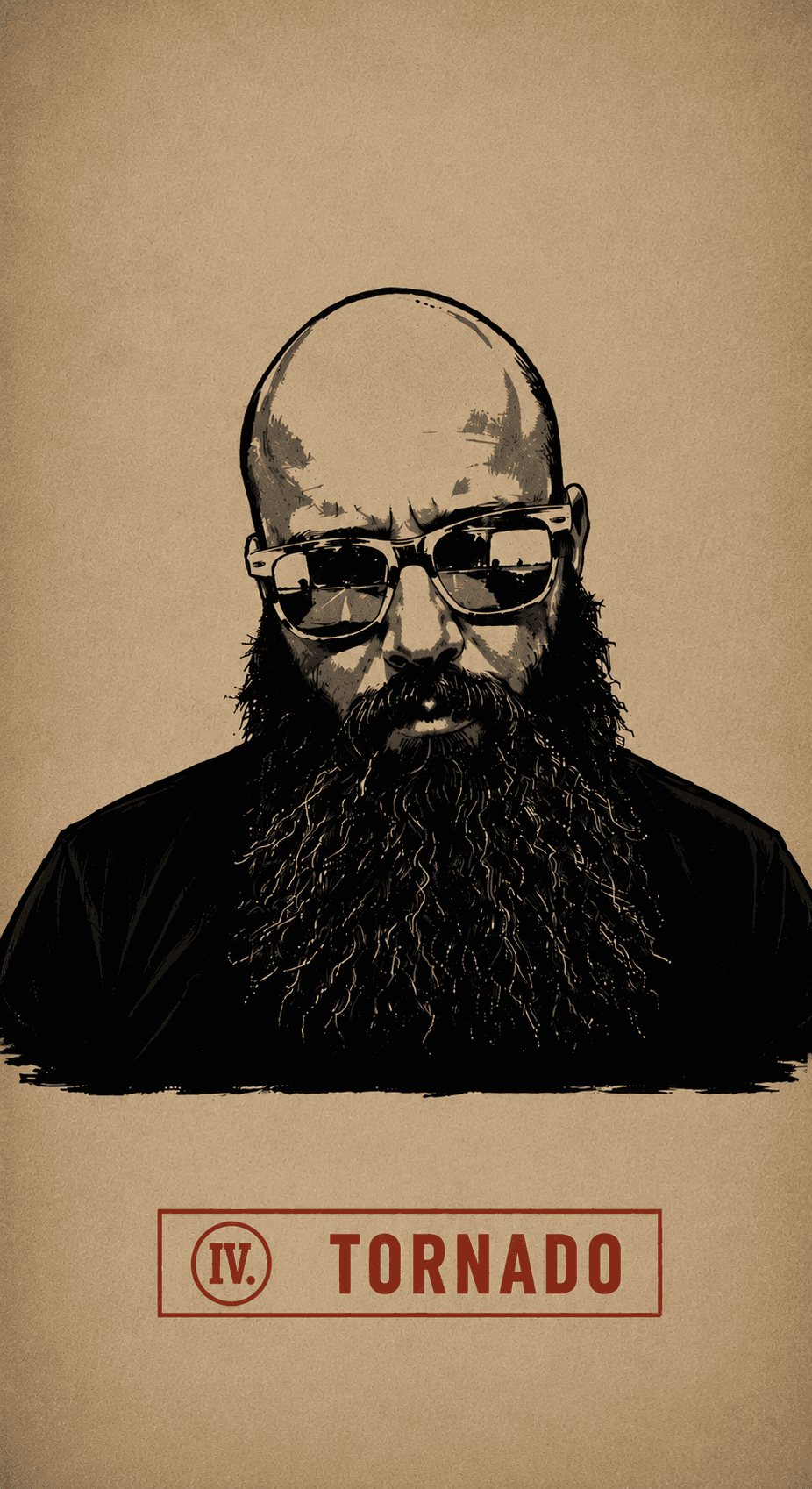
As successor to the Silk Road, Dream was the new emporium for drugs, counterfeit documents, and stolen data. Lili codenamed her investigation Operation Tornado, after Tor. Historically, drug trafficking investigations are looking to catch the leadership in conspiracy cases. But dark web drug vendors and administrators rarely communicate directly and never learn each other’s real names. It’s like a cartel but with the operational security of a terror cell. Lili figured she should start with some vendors, and then move on to the leadership—OxyMonster and Kitt3n, or the “Dream Team,” as they called themselves.
Operation Tornado caught an early break when local police in the tiny farm town of Scott, Arkansas called in to report an overdose death: a college student named Nicholas Ickler was found on the floor of his apartment lying next to a torn USPS envelope. A DEA agent on an unrelated detail in the town found the circumstances odd, put details like the fake return address into the case database, and found a match to one of Dream’s most prolific vendors, UStoUS. Lili was alerted, and got a look at the evidence. She’d had her eye on UStoUS, because he sold some of the most experimental product on the dark web; his signature item was called the “God Pill,” a gumbo of cocaine, amphetamines, and fentanyl. Lili looked at the envelope, noted the postage, and smiled.
Everyone makes mistakes, and for UStoUS, it was using Stamps.com. There’s nothing Lili enjoys more than filing a subpoena. The kind people at Stamps.com supplied her with an IP address. A week later, two task force agents lounged in an unmarked car outside of Heady Warez Smoke Shop in Cape Girardeau, Missouri, deep in the Ozarks. The owner was a skeletal young man named Joshua Kelly with a macabre history. Several years earlier, his fiancé had died of an overdose while sleeping beside him. His subsequent girlfriend had once called the police to accuse him of hooking her on fentanyl. Just months earlier, his own father had also died of an overdose. Something was killing everyone in Kelly’s life. Presumably whatever was in those dozens of packages agents observed him sending weekly.
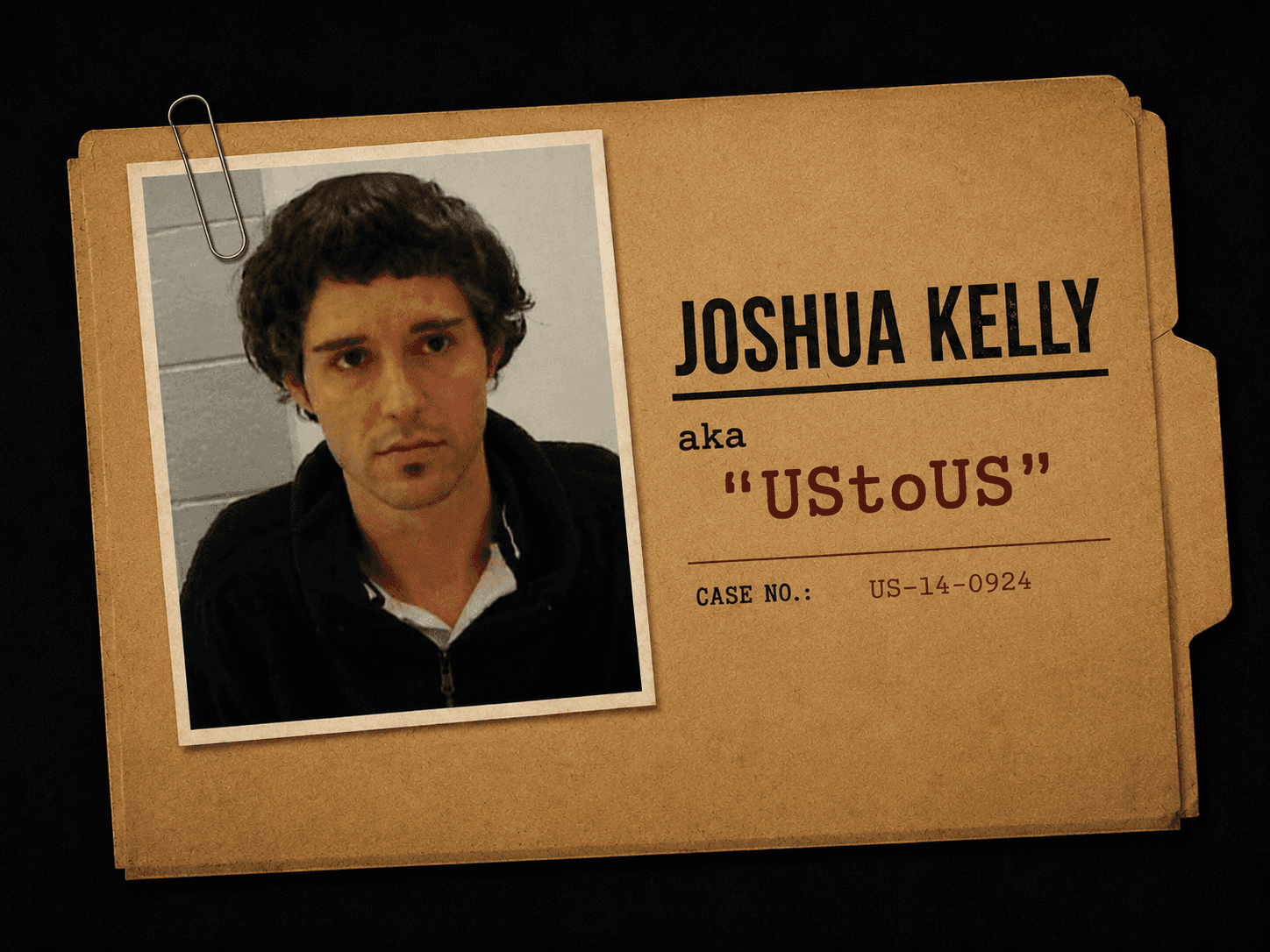
It wasn’t until Lili had her agents search Kelly’s trash, which he dumped deep in the mountains, that they found the same stamps as on the Ickler envelope and she could get a warrant. On May 9th, 2017, Lili and a SWAT team broke down Kelly’s door. As agents circled the house, guns drawn, they encountered Kelly on the upstairs balcony holding his infant out in front of him, shouting, “Don’t shoot!” The baby wailed. From the lawn, agents attempted to reason with him while Lili snuck upstairs into the bedroom, surrounding him. Up close, he was disturbing to behold. Bone-thin and covered in open wounds, he was heavily addicted to his own supply. Lili persuaded him to set the child down, and then handcuffed him.
The entire house was a small factory dedicated to pill production. While searching the rooms, an agent accidentally knocked over a vacuum cleaner. A cloud of fentanyl mushroomed out and settled onto the carpet.
When Lili questioned Kelly outside, he had only one thing to say.
“What took you so long?”
Lili was haunted by what she’d seen. The takedown was satisfying, but the tragedy stayed with her. It reminded her of the desolate, hopeless flood of opiate addiction that took hold in Russia in the 1990s, which she’d fled because of the related crime and poverty. That addiction wave had only continued; Nina had recently told Lili that her cousin Dennis, only 16, was starting to use and sell drugs, hang around gangsters, and disappear for days at a time. She was worried. Nina told Lili it felt like raising Katya all over again.
Katya’s own troubles had re-emerged: she was off the wagon. Katya tried to hide it, but nothing evaded Lili. Slurred words, mysterious runs to the store. One night, Lili came home and found her mother blind drunk, a bottle of Stoli in hand, muttering in Russian, with Lia asleep in the other room. From Blanche DuBois to Honey from Who’s Afraid of Virginia Woolf. The problem got so bad, Lili sent Katya back to Russia to get an experimental treatment called “coding,” which is a shot that makes the patient so allergic to alcohol that a single full drink would kill them. “You’re killing yourself anyhow,” she said. Nina met Katya at the Moscow airport, escorted her daughter to the clinic, and made sure the needle made it into her arm.
Alone, Lili took care of Lia and tunneled into work. At night, she’d sometimes call Luis. As angry as she was, he remained a sympathetic ear, about her mother and her work. He was proud, and not surprised that she’d already surpassed him professionally. And he was useful for helping Lili navigate prosecutorial personalities and the intricacies of building indictments.
Her next move, she told him, was the Dream Market management, starting with OxyMonster. Using tricks she’d learned from Tigran, Lili discovered OxyMonster’s identity by tracing his Bitcoin wallet address, which he’d optimistically and foolishly made public so he could receive tips. The address was linked to a private server, which, oddly enough, also hosted websites related to competitive beard growing, like beardsociety.com and mybeard.org. This led her to a rising star in the competitive beard growing world, a Frenchman named Gal Vallerius.

On August 31st, 2017, at 1:05 PM, Gal Vallerius arrived at Atlanta International Airport, accompanied by his wife, Yasmin, and his incredible beard—thirty centimeters of resplendent vermillion. Lili had been researching Vallerius for months. He was a homebody from a small Breton village who liked to take walks with his wife and tend to his pet rabbits. He was also a man of international distinction, as both an elite beard competitor and global drug kingpin.
Vallerius and his wife were, in fact, en-route to the World Beard and Mustache Championships in Austin, Texas, where Vallerius hoped to clinch the title. Homeland Security records indicated that Vallerius had never visited America before, and France is reluctant to extradite its citizens, so Lili seized the opportunity to catch him on US soil. She waited at customs, pulled them aside, and asked for their electronics for a routine search.
“What are you in town for?” Lili asked.
“A facial hair competition!” Vallerius replied. “In Texas.”
“Oh,” she said, feigning shock. She appraised his beard. “Well, you’ll definitely win!”
“Oh, I don’t know,” he said, modestly.
They all laughed. Then Lili took the electronics aside and within seconds, spotted Tor, a Bitcoin wallet, and a folder titled “OxyMonster.”
She phoned Miami: “We got him.” Then she cuffed Vallerius, whose amiability evaporated when he realized he wouldn’t make it to the World Beard and Mustache Championships.
At home that night, Lili examined Vallerius’ computer. To seize Vallerius’ bitcoin, she had to get into his wallet, which was password protected. But she’d stalked Vallerius so thoroughly that she knew enough personal details to hack his wallet the old-fashioned way: she guessed it. She made a list of important dates (birthdays, anniversaries), sentimental names (pets, his wife), hobbies (beards, rabbits, the Bible), and then settled into an adrenalized fugue state in which she tried every permutation of every term until it opened. There it was: a half million in bitcoin. She thought about Carl Force, the DEA agent on the Silk Road who was seduced by a similar situation. No one in the DEA knew she’d guessed the password. Who would miss it? Not OxyMonster, sitting in prison. It wasn’t a fortune, but she could use it to pay for Lia’s college, or help her grandmother, who was struggling back in Russia. Hadn’t they all suffered enough?
The next morning, Lili turned over the laptop. Bitcoin untouched, password attached.
Soon, Vallerius’ bearded face appeared on the pages of The Miami Herald, The Daily Mail, Vice, and The Guardian. At the office, the boys were impressed. Sochi’s funny money case paid off after all. Jose Irizarry gave Lili a thumbs up; he knew how complicated it was to gather evidence, arrest a foreign national, and make a big seizure.
With her signature on indictments and her name in the media, Lili was quickly gaining a reputation in the nascent world of cyber policing. She was invited to speak at the North American Bitcoin Conference, the Blockchain Expo, and other events. She went to the National Cybercrime Conference, where she met prosecutors interested in pursuing cases. She gave interviews to Bloomberg and CoinDesk about the changing scope of criminal crypto transactions. Retail speculation had grown significantly, she said, but criminal use of crypto persisted, and was becoming more sophisticated. With this in mind, she resurrected her Olga character with the express purpose of luring cartels into crypto. Now that she could trace web transactions, crypto would be the ultimate medium for the DEA’s money laundering stings. Back out on the town in South Beach, Olga was meeting up with her old clients—accountants for the Bratva, Barrio 18, and the Sinaloa cartel—pitching a brand-new package of instantaneous digital transactions.
Lili added a few more dramatic notches to her belt, like the time she caught a dark web admin by posing as a young girl and customer and fooled him into sending her his real address so that she could send him a pair of dirty panties.
Eventually, she also caught Kitt3n, the other administrator of Dream, who’d disappeared after the marketplace shut down. She’d been dreaming of catching Kitt3n since she found out he was an active child pornographer and had bragged about sexually abusing his young cousins. Using a web scraping program that archived every inch of the dark net—her very own bizarro Wayback Machine—Lili followed a digital trail to his IP address, and his name: Joseph Gurley. He lived in an apartment in Richmond, Virginia, worked in IT, and when he wasn’t posting on pedophilia forums, he spent his weekends taking his mother shopping. Kitt3n, it turned out, was a deranged momma’s boy.
Shortly thereafter, Lili and a SWAT team kicked down Gurley’s door and discovered his eerily clean apartment, where every pillow, curtain, and t-shirt was meticulously color-coded, and all surfaces were adorned with plush kittens. Lili cuffed Gurley as he scrambled out of bed.
In the squad car, she asked: “Is there anyone you want to call before we take you away?”
Gurley said, “I want to call my mom.”
Lili handed him his phone—a trove of untapped evidence—and just as he unlocked it, she snatched it from his hand, jumped from the car, and slammed the door behind her.
Career ascendent, Lili was still raising Lia solo, occupying herself with work, and relishing her late-night chats with her grandmother. Then one day, she came home and found Katya distraught. “It’s Nina,” she told Lili, “She’s sick.” Her grandmother had collapsed suddenly, and doctors found an aggressive tumor in her brain: glioblastoma.
Lili sent her mother to Moscow to help her grandmother recover. Nina’s brain was badly swollen from an emergency operation, but she was awake. Each morning, she was stronger, more alert. As a US federal agent, it was not easy for Lili to visit Russia, but she made plans to follow. And then one night, just before Lili left for Moscow, Katya called to tell her grandmother had slipped away. It was a rare moment when Lili was stopped in her tracks. Nina had been the strongest person she knew. And now, gone.
“Lili,” Katya said quietly, “there’s something else.” Late one night, Katya said, Nina had made a confession. Two years earlier, Dennis had gotten into trouble with a local gang, much like Katya had. He sold drugs on their territory without paying for protection. Men started coming around, threatening to kill him. To save him, Nina paid up.
“How?” Lili asked. She knew Nina had no money.
“She sold drugs,” her mother said. “On a dark web marketplace called Hydra.”

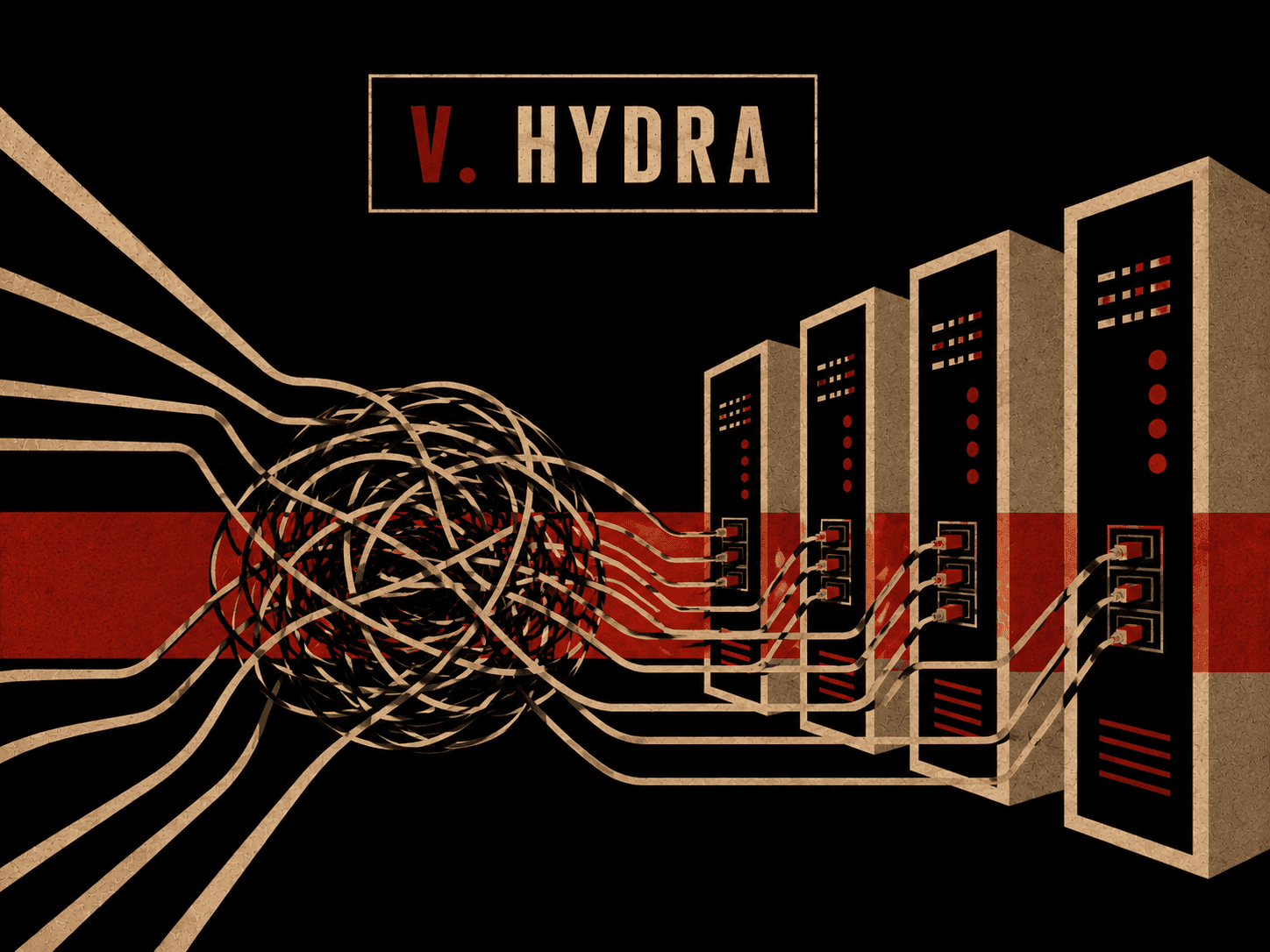
Hydra was the largest and most sophisticated dark net marketplace in the world, a pseudo-corporate behemoth with ten million users and hundreds of employees which not only sold drugs but also facilitated nearly 75% of the world’s crypto money laundering. For years, Lili had known about the market, often discussing it with her fellow cybercrime crusader, Gambaryan. But since Hydra operated only in Russia, Lili never thought it would come across her desk, much less sweep up her family.
In silence, she listened as Katya relayed Nina’s confession. “She felt like there was no other way out,” Katya said, before going on to explain how an old woman in the countryside who had never committed a crime in her life became a dark web heavyweight seller.
Nina and Dennis hatched a plan to grow and sell marijuana to raise the payoff money. She was a lifelong gardener, and Dennis sourced an industrial quantity of marijuana seeds. Hydra was the obvious market, already dominant in Russia. Like Lili, Nina taught herself Tor, VPNs, Bitcoin, all while wrapped in a quilt in her country cottage. Nina tended the plants skillfully, and come harvest time, Dennis tested the product and pronounced it to be excellent. They set up a vendor profile, and Dennis became their grandmother’s delivery system.
Hydra operated differently from other dark web drug marketplaces, because the Russian post office requires IDs, so mail-order was too risky. Instead, Hydra couriers stashed parcels in public places and sent buyers coordinates to recover them. A geocached delivery was known as a “buried treasure”—klad—and couriers were called kladsmen.
As Nina’s kladsman, Dennis hid parcels all over her village, in gutters and bushes, buried in parks and snowbanks, stuck to magnets under benches. It was dangerous work. He dodged police, thieves known as “seagulls” who robbed kladsmen, and vigilantes trying to interfere with Hydra. Hydra, meanwhile, had its own legion of enforcers, known as “sportsmen,” who punished seagulls and careless kladsmen by drenching them in “brilliant green,” an antiseptic dye which is nearly impossible to wash off, beating them with pipes, setting their hair on fire, or nailing their hands to trees. In Russia, the dark web wasn’t a hidden shadow economy. It was a war raging in the streets.
Nina’s product was so good, they sold out and paid off Dennis’ debt. But, Katya continued: “She kept going.” Nina and Dennis built an empire. Katya only realized the scale of her mother’s operation when she inquired about her medical costs. Did she need help? Lili could send some money. Nina told Katya not to worry. “You know,” she said. “I’m a very rich woman.”
When Katya was finished, Lili hung up without saying a word. Stunned, she thought about all her chats with her grandmother, sharing drug busting tales, or the woes of her complicated family, and receiving advice and kind words in return. In the tumult of so many disappointments and betrayals, Nina had been Lili’s unshakable, centering constant. Now this? She decided then and there: her next target was Hydra.
Around the DEA office, Lili’s new obsession was swatted away. She felt like a rookie again—here comes Sochi, spouting off another wild idea. She told her bosses that she felt destined to take on this criminal powerhouse, that Hydra was consolidating power. Hydra administrators were advertising on billboards in Russian city centers and posting videos on YouTube. But she was firmly reminded that a crime needs to be committed against American citizens. Neither Lili nor the DEA had jurisdiction.
Then, Gambaryan called with intel: US-based hackers and drug dealers were using Hydra’s in-house crypto mixing service to launder their money.
“I love you,” Lili said.
“My pleasure,” Gambaryan said. With jurisdictional footing, they joined forces and opened a case.
Gambaryan applied his techno-wizardry to infiltrating Hydra’s finances. Lili went undercover; by sending in photos of the DEA’s own laboratory, she posed as a chemist and got herself hired by Hydra as a purity tester. Inside the system, she discovered that the market employed a diverse roster of other salaried professionals: accountants, lawyers, IT people, an HR department, and doctors who provided telehealth services to buyers. Highly educated, capable people. Hydra’s efficiency was unprecedented, and unsettling.
After a brute force forensic sortie with state-of-the-art tools for tracing blockchain transactions, Gambaryan got a hit. Hydra’s central Bitcoin wallet was housed on a server in a Hetzner data center in Germany. It was not surprising: due to outdated, lenient laws, Germany was a hub for dark web service hosting. (Earlier that year, German police had raided a former NATO bunker that had been converted into a data center hosting dozens of sites, including a counterfeit currency exchange.)
Tigran figured the same data center housed the entire Hydra site. He and Lili contacted German law enforcement, who started working on a search warrant and gave them the name of the server’s owner: Dimitry Pavlov.
Lili mined Pavlov’s social media, dating profiles, and forum posts to stitch together a picture of a thirty-year-old web host from Cherepovets, a northwestern steel town, who drove a suspiciously expensive Audi, taught music lessons, and had a girlfriend named Dima. Pavlov, she discovered, had hosted several other Russian dark net markets. She cracked into Pavlov’s private correspondence and got a picture of Hydra’s origin. An anonymous figure, moniker No Name, had merged two other markets into Hydra, and Pavlov came on board as Hydra’s IT administrator, joining a cadre of operators: There was Zog, the site’s main programmer; Fat Cat, the vendor liaison; Handsome Jack and Fatality, the customer dispute moderators; GlavRed, marketing extraordinaire; and Hydra’s two founders, Satoshi Nakamoto (named for the mysterious inventor of Bitcoin) and The Observer.
At a certain point, Pavlov found himself in the middle of a digital turf war. Hydra was being targeted by another site, RAMP, Russia’s leading drug marketplace at the time. Hydra was luring RAMP’s vendors away with higher payouts and a pioneering, utopian vision: a dark net marketplace run like a tech start up, staffed by talented programmers and finance whizzes, as opposed to RAMP’s team, whom they called “simple addicts.” In their ads, blasted out on WhatsApp and Telegram, Hydra called itself “the internet” and RAMP was just “television.” RAMP fired back by poaching Hydra’s chemists, and Hydra retaliated by overwhelming their competitor’s site, temporarily shutting it down. RAMP hired armed thugs to go after turncoat vendors. Hydra doxxed RAMP’s admins, eroding its users’ trust. Then came the leak that won the war: screenshots of a 20-year-old RAMP admin arguing with his mother over text. The site shut down soon after.
Thereafter, Hydra grew unchecked, amassing one million users, then two, then ten million, in over a thousand cities, expanding past Russian borders into Kazakhstan, Armenia, Ukraine, and Belarus. The founders made friends with Russia’s nouveau riche crypto elite, whose startups clustered in Moscow, specifically within a razor-shaped skyscraper called Federation Tower.
Keeping pace with Hydra’s expansion, Pavlov rented more servers each year to house its operations, eventually over fifty. Sourcing cheap synthetic precursors from China, smuggled over the border disguised as fertilizers and insecticides, Hydra vendors were able to service rural villages previously untapped by dark net markets. Widespread unemployment made the life of a kladsman attractive to disaffected young people. Less agile Russians—even rural grandmothers—signed on as vendors. Hydra’s presence became ubiquitous, normalized, the logical end point of all dark net marketplaces before it. In an ad depicting the entire history of human drug use, from Paleolithic man consuming magic mushrooms on the plains and betel nuts in the jungles to the current day, Pavlov and company claimed they were bringing about “the onset of a new level in the spiritual development of humanity.”

Linking Pavlov to Hydra was the easy part. Putting him behind bars would be more complicated. Lili couldn’t arrest him on Russian soil, and, unlike OxyMonster, he didn’t seem to have any international competitions on the calendar. It was a problem Lili would have to solve on her own; several months into the investigation, Gambaryan left the IRS for a job in the private sector.
Then: war broke out. In February 2022, the case suddenly accelerated when Russia invaded Ukraine and NATO levied economic sanctions. Quickly, Hydra’s crypto exchange became a way for black hat hacker cells, arms merchants, and private militaries to move money into Russia. Lili’s dark web target was in the midst of an international crisis. Hydra was being used to skirt sanctions and fund the war. Alliances and animosities had been awakened. If Pavlov is smart, Lili thought, he’d move the site onto a Russian server, where it would be safe from adversarial governments—and out of Lili’s reach forever.
As Russian tanks battled Ukrainian guerillas firing Javelin missiles from apartment windows, drones clashed in the sky, and the rest of Europe looked on in terror, Lili sprinted to assemble enough evidence against Pavlov. Opening official joint operations isn’t easy. She coordinated heavily with German authorities—submitting evidence and getting the DoJ to submit an MLAT to the Bundeskriminalamt—to make her move, which came on April 5th, 2022. That morning, Lili arrived at the Philip Burton Federal Building in San Francisco, where she’d maneuvered to open the case with a sympathetic US Attorney, stood before a federal grand jury convened in secret, and carefully laid out the meticulous digital trail from IPs to wallets to Hydra for Pavlov’s indictment.
Once the indictment was filed, it was public, so Lili had to move fast. From the courthouse, Lili was on the phone with German police, who simultaneously descended on the narrow, labyrinthine halls of the Hetzner data center, pulling servers from the walls. With each removal, Hydra lost functionality. Then the site went dark. Online, forums like r/darkweb and r/tor posters were shocked: “Dude wtf is Hydra?!” and “Shit they got us.”
Without leaving the United States, Lili had managed to topple the largest dark web marketplace in the world. Pavlov was still free, which exasperated Lili. But in a twist of fate, she found herself on the same side as Russian law enforcement for once. After the Hydra news broke, with Pavlov’s name attached, the FSB cuffed him. On April 11th, 2022, Pavlov was arrested while trying to flee his home province of Vologda. The Germans, meanwhile, seized the Hydra bitcoin wallet, flush with twenty-five million dollars.
After the bust, Lili was treated to a hero’s welcome, a gauntlet of high fives and slaps on the back as she entered the office, triumphant. Calls of “Sochi!” rang throughout the building, the old nickname had become affectionate. Lili hadn’t joined the DEA to make friends, but it was nice to be recognized. Fellow agents crowded around her. Sitting on her desk, a rare smile on her face, she told the story of the takedown.
Later, the building emptied out, and as usual, Lili was the last to leave the office. As she crossed the parking lot alone, a little melancholy stirred. For the first time in years, there was nothing to chase. She’d proven herself, outlasted the skeptics. But she wanted to share it with someone who really understood what it meant to her. She called Luis. When he picked up, she said quietly, “I did it.”
The following year, Lili was given the Law Enforcement Officer of the Year award from Homeland Security, a commendation for “extraordinary service in the fight against transnational crime.” The ceremony was in DC, a ballroom full of badges and banquet tables. Luis was in the audience as Lili was handed a small, Lucite desktop ornament with her achievement engraved into it.
It was strange to receive such an honor, as Lili was no longer a federal agent. The Hydra case had made her an even bigger star—there were even dark web rumors of a $4m bounty on her—but she’d left the DEA a few months later. The “Crypto Queen of the DEA,” as she’d been called, was disillusioned. Part of it was the bureaucracy, which remained a challenge for a non-conformist like her. Also, the Miami DEA office was in tumult. Lili’s former mentor, Jose Irizarry—the swaggering superstar who’d taught her the ropes—had just been arrested. Irizarry and the other swashbucklers of Group 4, it turned out, had been skimming millions from undercover ops and partying their way through Madrid, Cartagena, and the Caribbean with the very traffickers they were meant to catch. There were yachts, Hublot watches, Tiffany rings, WhatsApp threads full of drunk agents trading porn and arranging sex tours on the government dime. Irizarry was not posing as a money launderer to catch the cartels; he was just laundering money for the cartels. Diego Marin, the “Contraband Kingpin,” was not an informant but a collaborator. By the time Irizarry had confessed, nineteen million dollars had vanished into thin air. It remains the most consequential arrest of a corrupt DEA agent. From prison, he shrugged to a reporter: “The drug war’s a game,” he said. “A fun game we were playing.”
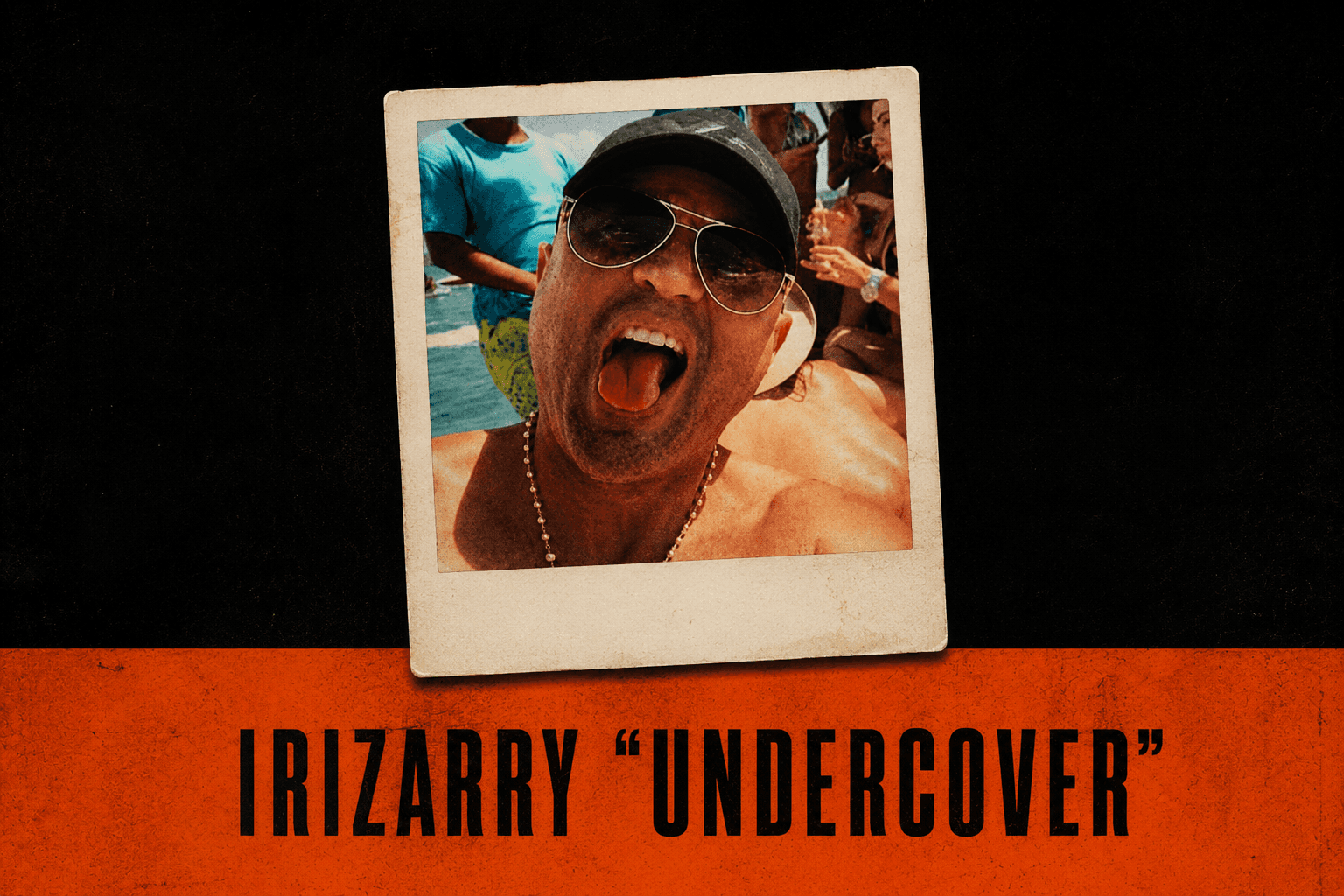
Lili was shaken. Irizarry’s corruption was staggering. And he damaged the clever deep cover casework she’d been developing outside of Hydra, where Lili-as-Olga had been successfully enticing criminal organizations into the trap of crypto laundering—until that entire operation was compromised by Irizarry’s bust, since all those introductions had been made by Igor, and Igor, as one of Irizarry’s confidential informants, was forever tainted. “We can’t win an unwinnable war,” Irizarry had told the Miami Herald. Fuck you, Lili thought. It was one of several corruption scandals that tarnished the entire DEA. Like many, Lili had lost faith in the agency where she’d spent her entire career. And now she was on stage, in a dark suit, hair pulled back, smiling for photos.
Back in Miami, Lili wondered what was next. She was thirty-two years old, and for the first time, she felt the uncertainty of that youth. Her hard edges were softening. The road ahead wasn’t a clear line of duty or a strict moral code. She’d spent her whole life trying to impose order on the chaos of her childhood. It gave her a world of binaries. The law provides justice. People love or they betray you. But this belief set the stage for a lifetime of disappointments. She’d spent all these years seeing everyone’s flaws, but not her own.
She’d become deep friends with Luis. She’d realized that maybe she hadn’t quite held up her end of the bargain either, by leaving him for Harvard with an infant while he was undercover. And as much trouble as her mother had always been, she was still her mother. So when Katya, drunk again, ran off with a trucker and was six months later deposited back on Lili’s doorstep, Lili took her in. It felt liberating, the idea of mercy. In this light, she could even understand her grandmother, and her inability to abandon her grandson, no matter his misdeeds. You can’t erase pain with structure, she learned. Or purity. Or anything. You can’t out-think heartbreak.
So what can you do? You can recognize that the world is messy; that people fail you, and you fail them. You make peace with ambiguity. You realize that love and imperfection can co-exist. You see that knowing this is the real safety net. Institutions may not be the answer, but people are. You forgive your mother. You forgive your grandmother. You look in the rearview mirror and see that your daughter in the back seat is likable and chatty, a sociable spitfire, like her father. You raise her the best you can, the way your mother could not do for you, to see the world for all its possibilities.